Implementation case study
A PDCA-based approach to onboarding, instructor capability and skills development in fast-growing e-commerce logistics.
This case describes the implementation and company profile at the time of the original article; historical figures are retained.
TWI at eObuwie. The TWI programme is becoming increasingly relevant to e-commerce logistics, where effective training and onboarding are essential. TWI can shorten onboarding time, improve productivity and reduce errors, supporting better service and faster delivery to the end customer. Change is part of every organisation, but the pace in e-commerce can be exceptionally demanding. Introducing new technology, continually improving processes and developing people quickly enough to keep up with growth are key challenges for e-commerce managers. Organisations gain an advantage when they can adapt quickly and prepare employees for a rapidly changing environment.
Management challenges in e-commerce
During the period described in the article, the COVID-19 pandemic accelerated growth in online retail. Many customers began shopping online because other options were limited. This brought new challenges for e-commerce managers: stable recruitment, low employee turnover and the interpersonal skills needed to manage teams. These demands sat within broader economic changes that were intensifying year by year, particularly labour shortages. Employers faced not only a competitive labour market but, in some cases, an outright lack of available workers. Technical management challenges also covered the entire logistics chain: internal processes, transport to customers and efficient returns, while maintaining the precautions required during COVID-19.
E-commerce challenges at eObuwie
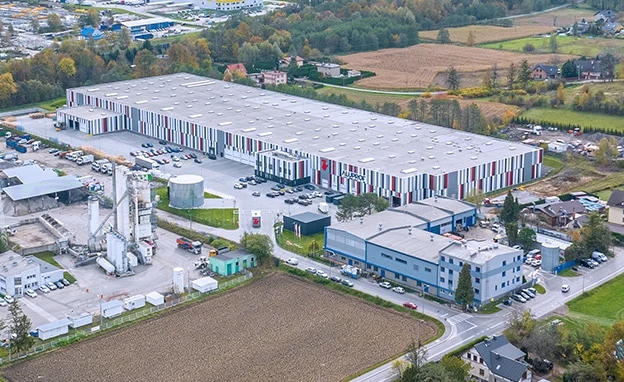
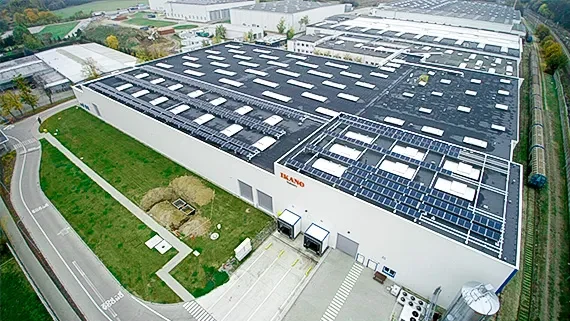
The eobuwie.pl distribution centre is located in western Poland, close to the German border, in an area developing into a major Polish logistics hub. Rapid growth and limited labour availability prompted continuous investment in both automation and training processes. The aim was to shorten onboarding and reduce errors, ultimately improving the speed of delivery to the end customer.
Training also influences employee turnover. A clear, professional onboarding process gives an operational employee a sense of security. It communicates: “We have a plan for you, and we are pleased you are here.”
At eobuwie.pl, TWI training was the first step towards a broader skills development system. Leaders and managers play a key role in implementing and improving TWI because they own the business areas concerned. Success depends on their involvement and readiness to change.
Introducing training and development pathways to strengthen management skills was a natural next step. This led to a Development Academy and two programmes: First Time Leader and First Time Manager. These initiatives strengthened evaluation of the TWI project and helped improve its results consistently.
Implementing the TWI programme at eObuwie
The implementation team and LeanTrix developed a TWI implementation plan based on the PDCA cycle.

PLAN phase
Preparation included selecting a pilot area, mapping the team and developing a 5W1H model to clarify the need, objectives and implementation approach. A RASCI matrix assigned project responsibilities. Introductory TWI workshops were also delivered for senior management, leaders, managers and HR employees.
DO phase
Implementation in the pilot area began with instructor workshops to develop skills in creating work standards and transferring knowledge using TWI. Afterwards, participants prepared process instructions for internal training. TWI instructors were certified after approximately two weeks and then delivered regular training according to needs identified in the skills matrix. The final activity in this phase was to collect data on TWI effectiveness.
CHECK phase
The CHECK phase reviewed lessons and results from the pilot and prepared an action plan for rolling TWI out across the rest of the facility. The implementation team held review and brainstorming sessions to find solutions suited to eobuwie.pl. These meetings established mechanisms for sustaining TWI over the longer term:
• a TWI audit system,
• integration of TWI into the organisation’s management system,
• an internal recruitment process for instructors,
• a system for rewarding instructors for delivering job instruction,
• an approach to building leaders’ involvement in TWI implementation.
ACT phase
The final phase, which continues indefinitely, is rollout to other areas. Implementation followed the plan developed during CHECK. Despite the fast-moving e-commerce environment, the TWI team adapted effectively to changing conditions. TWI trainer candidates completed Train the Trainer development so that they could expand the programme independently within the organisation.
TWI at eObuwie: results
The implementation achieved the following results:
• less time to reach full proficiency,
• increased employee productivity,
• fewer human errors,
• fewer employees leaving within their first 15 days of employment.
The Training Within Industry programme
The TWI programme is intended for team leaders, first-line supervisors and employees who take responsibility for others during training. Its three core methods develop essential leadership skills:
• instructing employees,
• improving working methods,
• building good working relationships.
These three skills form the foundation of management at the organisation’s first supervisory level.
With continuous growth and large numbers of new recruits, job instruction is particularly important in e-commerce. It enables new employees to learn quickly and effectively, make fewer errors and reach proficiency sooner, directly supporting organisational results and reputation.
The structure of TWI Job Instruction (JI)
TWI Job Instruction has three elements. The first is the method of transferring knowledge, delivered in four steps.

Step 1: Prepare the worker
This step prepares the learner to absorb knowledge. A relaxed atmosphere and clear working arrangements reduce stress and support learning. Another important element is generating interest in the job. The instructor builds engagement, helping the learner feel more connected to the organisation and more committed to their responsibilities. The impression created by a new employee’s first contact with the process influences their willingness to stay and their opinion of the company.
Step 2: Present the operation
The instructor demonstrates the work in practice. This step includes three presentations. First, the instructor demonstrates and explains the important steps, showing what needs to be done. In the second presentation, the instructor explains the important steps and key points. New information builds on repetition of what has already been shown, helping the learner retain it. Key points explain how to perform the activity.
The final presentation includes the important steps, key points and reasons. Understanding the reasons helps employees understand how the work should be performed, reduce errors and reach full competence sooner. The structured sequence avoids overwhelming the learner. Organising knowledge into important steps, key points and reasons helps them remember more and apply it in practice.
Step 3: Try out performance
Step 4: Follow up
TWI work instructions at eObuwie
The second fundamental element of TWI JI is the work instruction used during on-the-job training. Its structure follows the training method and divides the job into three elements:
- important steps — logical parts of the operation in which the work advances;
- key points — aspects that affect correct performance or safety, together with techniques that make the work easier;
- reasons — explanations for the key points that build understanding and awareness of potential errors.
A work instruction (Polish) is a document for the instructor. The learner can refer to it after instruction. TWI’s rules for writing instructions make the document easy for instructors to use while teaching. This helps ensure that no important element affecting a new employee’s safety, quality or productivity is missed.
TWI HANDWASHING INSTRUCTION

Skills matrices
Summary: TWI at eObuwie

Training Within Industry and Lean Management Practitioner.
He is a lecturer at the WSB University in Wrocław. He is the author and co-author of several pieces of literature on the TWI program.
He is a managing partner in the LeanTrix company and a master Trainer for Europe. Additionally, he is involved in projects such as eTWI System and Lean Community
He has run projects for: Lotte Wedel, Danone, Kompania Piwowarska, eobuwie.pl, Arvato, Whirlpool, B / S / H, Geberit, RECARO, Tenneco, Sumitomo Electric, Stadler, Vesuvius Poland

An experienced Learning & Development professional and training management expert, currently serving as the Director of the Ekoenergetyka Training Center. With over 9 years of experience in leading employee development initiatives in organizations such as Ekoenergetyka, MODIVO, and eobuwie.pl, as well as working as a university lecturer.

Lean Industrial Engineer with many years of experience in process optimization, Lean methodology implementation, and leading improvement projects in international environments. He has worked in the logistics and industrial sectors, gaining valuable experience at companies such as DP World, Syncreon, MODIVO, and eobuwie.pl.