


Use TOC to expose the system constraint, protect it and align priorities around flow.
Explore TOCManagement system architecture
Management methods that work as one operating system
Management methods are structured ways of improving flow, capability, quality and decision-making. LeanTrix helps organisations select and combine Lean Management, TWI, TOC, Lean Six Sigma, QMS and S&OP around the business problem—not around a fashionable tool.
We connect strategy with daily management, develop leaders in the workplace and turn improvement into measurable operational routines.
FocusChoose the constraint and value stream that matter most.
CapabilityBuild standards, skills and leader routines in Gemba.
SystemConnect improvement, quality and planning into one cadence.

Start with the problem
Which method should you use?
There is no universally “best” method. The useful question is: what currently limits performance, learning or control in your organisation?
Use Lean Management to see value, remove waste and stabilise end-to-end flow.
Explore Lean ManagementUse TWI to build repeatable instruction, better work methods and consistent leader behaviour.
Explore TWIUse Lean Six Sigma to reduce variation and solve complex process problems through DMAIC.
Explore Lean Six SigmaUse QMS to make requirements, process ownership, evidence and improvement work together.
Explore QMSUse S&OP to build one executable demand, supply and financial decision cycle.
Explore S&OPCore portfolio
Six methods, distinct jobs
Each approach answers a different management question. Together they create a system that can deliver, learn and adapt.
LEAN
Lean Management
How do we maximise customer value, improve flow and make problems visible every day?
Open the Lean hub TWITraining Within Industry
How do we teach work reliably and develop frontline leaders who sustain standards?
Open the TWI hub TOCTheory of Constraints
Where should the organisation focus so local improvement becomes system-level performance?
Explore TOC LSSLean Six Sigma
How do we use data to reduce variation, defects and the causes of complex problems?
Explore Lean Six Sigma QMSQuality Management Systems
How do we create controlled processes that meet ISO, IATF and VDA requirements?
Explore QMS S&OPSales & Operations Planning
How do we synchronise demand, capacity, inventory and finance through recurring decisions?
Explore S&OPSector adaptation matters. For project-based delivery, see Lean Construction. For scientific learning routines, see Toyota Kata.
One architecture
How the methods reinforce one another
Combining methods does not mean launching every tool. It means assigning a clear job to each layer of the management system.
Define the vital business challenge
Translate strategy into a small number of measurable conditions and decide what not to do.
Find the constraint and critical value stream
TOC concentrates attention; Lean reveals the flow and obstacles that determine customer value.
Build standards and people who can improve them
TWI makes knowledge transferable and gives supervisors practical routines for instruction, relations and improvement.
Use data and quality disciplines
Lean Six Sigma and QMS strengthen analysis, process control, evidence and prevention.
Connect decisions across functions
S&OP aligns sales, operations and finance, while daily management closes the feedback loop.
Practical implementation
From diagnosis to daily management
We combine advisory work, workshops, coaching and digital support. The scope is designed around a real business challenge and tested in the workplace.
See the system
Clarify goals, map the flow, assess capability and identify the constraint using facts from Gemba.
Choose the architecture
Define which methods, routines, roles and measures will address the challenge without creating tool overload.
Work on one real process
Run a focused implementation with the people who own the work and build internal competence as results emerge.
Standardise and expand
Turn learning into standards, leader routines and a repeatable deployment model for other areas.
Review and improve
Use PDCA, performance reviews and coaching to keep the management system alive.
Evidence before promises
See implementation experience, not only a method list
LeanTrix works with production and service organisations on operational improvement, leader development and management-system deployment.
Case studies connect method with context
Results make sense only with the starting condition, scope, constraints and the way teams changed their daily work.
Operational flowLead time, WIP, capacity and delivery.
People capabilityInstruction, standards and leader routines.
Quality & controlVariation, problem-solving and QMS.
Client voice
References you can verify
Read recommendations, cooperation stories and feedback from client organisations.
Read client referencesTransformation model
One loop for sustained change
See how diagnosis, system design, people development and review form the LeanTrix Transformation Loop.
Explore the Transformation LoopImplementation team
Experts who connect methods with operations
Our consultants combine practical transformation experience with TWI, Lean, TOC, quality and improvement-system expertise.
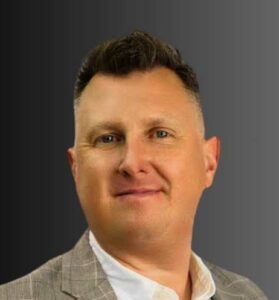
System design & transformation
Bartosz Misiurek
LeanTrix founder, TWI Master Trainer and practitioner of organisation-wide Lean and TWI transformations.
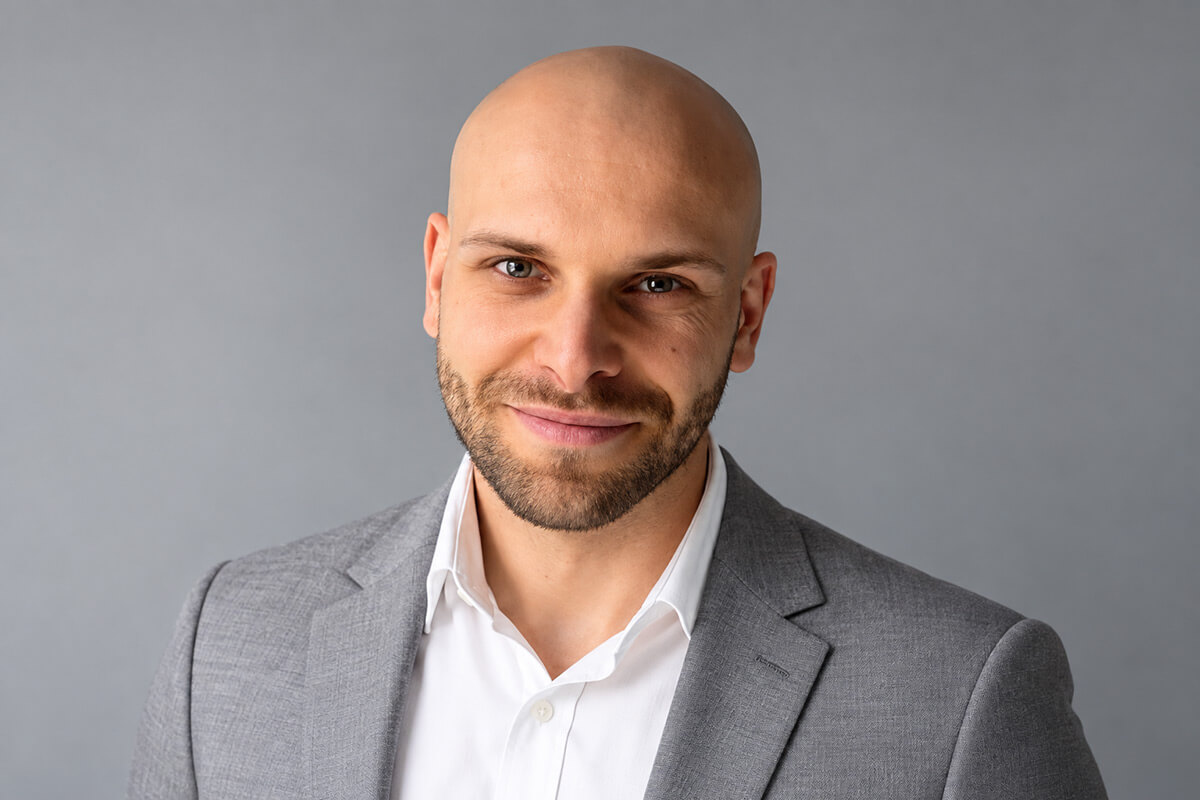
Operations & capability
Kamil Müller
COO and Board Member, TWI Master Trainer supporting standardisation, Kaizen and operational transformation.
FAQ
Management methods—frequent questions
A method should clarify decisions and behaviour. If it adds parallel bureaucracy, the architecture needs correction.
What are management methods?
They are structured principles, routines and tools used to direct work, improve processes, develop people and control performance. Examples include Lean Management, TWI, TOC, Lean Six Sigma, QMS and S&OP.
Which management method is best for my organisation?
The best starting point depends on the business constraint. Lean is strong for value and flow, TWI for workplace capability, TOC for system focus, Lean Six Sigma for data-intensive variation, QMS for control and compliance, and S&OP for cross-functional planning.
Can Lean, TWI and TOC be implemented together?
Yes. They are highly complementary when their roles are explicit: TOC identifies the focus, Lean improves flow and exposes waste, while TWI builds the skills and leader routines needed to sustain the new way of working.
How is Lean different from Lean Six Sigma?
Lean primarily improves customer value and flow by removing waste. Six Sigma uses statistical thinking to reduce variation and defects. Lean Six Sigma combines these perspectives within a structured improvement cycle.
When should a company use S&OP?
S&OP becomes valuable when demand, supply, inventory, capacity and financial expectations are not governed through one recurring decision process.
How long does implementation take?
A focused pilot can create learning and early effects within weeks. Building a reliable management system across functions takes longer and depends on scope, leadership behaviour, process maturity and the organisation’s ability to learn.
Does LeanTrix provide training or implementation support?
Both. We combine workshops with diagnosis, Gemba work, coaching, implementation projects and development of internal leaders so that capability remains in the organisation.
Choose from evidence
Let us design the right management-method mix for your challenge
Begin with a focused conversation about the result, constraint and current operating system. We will recommend a practical starting point.