

The real constraint
Focus resources on the factor with the greatest effect on total-system performance.


Lean transformation · the LeanTrix model
Transformation does not start with a training course or a list of tools. It starts with understanding the system and identifying the constraint that genuinely limits performance. We guide the management team, sponsor and working teams from diagnosis through a breakthrough challenge and controlled experiments to a lasting capability for self-improvement.

Change the system, not only the toolset
A reported problem is often only the visible symptom of a deeper constraint. Poor delivery may come from flow, work standards, decision rules, leadership routines, workforce capability or machine availability. This is why we do not begin with a random rollout of methods.
We first treat the organisation as a system. We then focus energy on the constraint, establish ownership for change and lead the team through consecutive target conditions. Lean, TOC, TWI, Six Sigma, Hoshin Kanri or digital solutions are selected only when the problem they must solve is understood.
Focus resources on the factor with the greatest effect on total-system performance.
Connect strategic direction with a breakthrough challenge and daily team decisions.
The sponsor, process owner and team know which decisions and results belong to them.
Every experiment produces evidence and informs the next deliberate step.
Develop people who can lead the next cycles without consultant dependency.
Close one cycle, preserve learning and launch the next without losing direction.
A seven-step transformation model
The model is a closed learning loop. Each target-condition cycle produces evidence, develops people and tests whether the system constraint has moved.
From diagnosis to lasting capability
Every step produces a specific output. Transformation therefore has an owner, a cadence and measurable progress instead of remaining a declaration.
We study processes, information flow, management routines, work standards, workforce capability and operational data. The purpose is not a long report. It is to find the constraint with the strongest influence on total-system performance.
The constraint may be flow, a bottleneck, decision-making, people development, missing standard work, quality variation, equipment availability or unclear accountability. What first attracts attention is often the effect rather than the source.
Transformation cannot be only a consultant's project. We establish a sponsor with authority to make decisions and remove obstacles, a process owner and a team responsible for the work. Scope, meeting cadence, accountability and progress measures are made explicit.
The sponsor does more than approve the initiative. They protect its priority, make decisions across functional boundaries and safeguard the time people need to experiment. LeanTrix facilitates and coaches the process, while responsibility for results remains in the organisation.
Together with the sponsor, we define a breakthrough challenge that responds to the constraint and supports the organisation's strategic direction. Hoshin Kanri helps translate management ambition into everyday team action. The challenge describes an outcome, not a tool selected in advance.
In Toyota Kata, the challenge may provide direction for roughly six months to three years. This does not mean writing a detailed plan for that full period. Progress is made through a sequence of much nearer target conditions.
The team describes the current condition using facts and then defines the nearest target condition with a specific date and conditions to be achieved. A target condition is neither a task list nor a ready-made solution. It describes a new, measurable way in which the process should operate.
We usually define it within a horizon of one week to three months and divide a longer journey into smaller stages. The team surfaces obstacles and selects the next one on which to work.

Every experiment has a hypothesis, owner, prediction, measure and review date. The team learns in the real process. A difference between prediction and outcome is treated as new knowledge rather than project failure.
This is where we use fit-for-purpose practices from Lean, TOC, TWI, Six Sigma and A3, as well as digital and AI solutions. The method follows from the nature of the constraint and the obstacle between the current and target condition.
The change must remain after the project ends. Capability is developed on real business problems and fitted to participant roles. Selected Lean, Six Sigma and TWI pathways may combine workplace practice, assessment and an International Lean Six Sigma Institute certificate.
Workshops, open programmes and benchmarking visits broaden the team's perspective. Participants do not copy observed practices. They convert observations into hypotheses and experiments appropriate to their own constraint and target condition.
At the target date, the team reviews evidence, checks how changes affected the constraint and decides what should be sustained. Start–Stop–Continue clarifies which practices to begin, which to discontinue and which to develop consistently.
Verified solutions become standards with named owners and explicit conditions for scaling. The team then reassesses the position of the constraint and establishes the next target condition. Transformation becomes a system of learning rather than a project with an end date.
The right method at the right time
The LeanTrix Transformation Loop is not a catalogue of tools to deploy. It is a way to select the practice that can remove a specific obstacle and move the team towards its target condition.
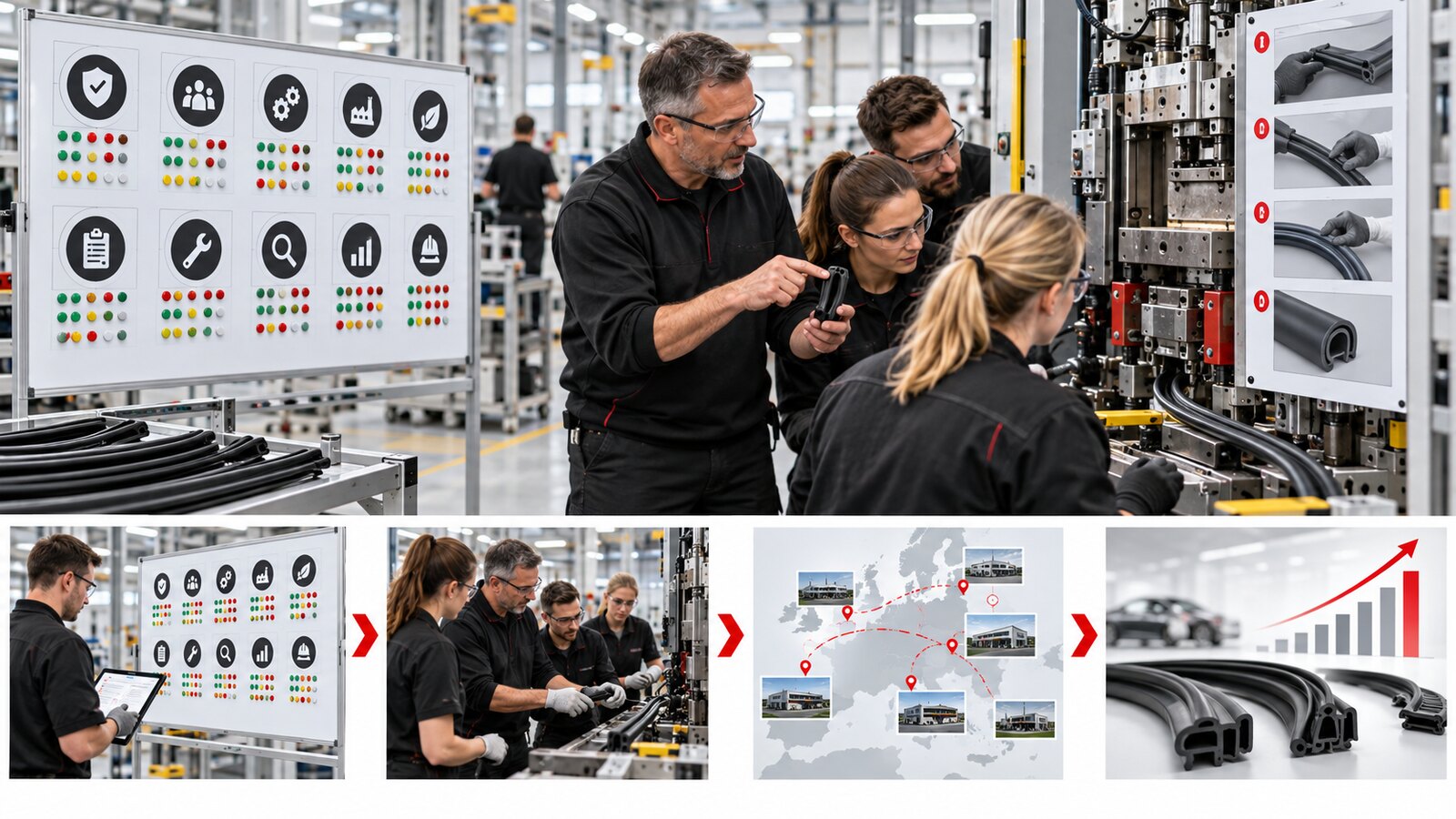 Flagship case · automotive · 2016–2024
Cooper Standard global transformation
Cooper Standard owned the change. LeanTrix supported the organisation as a transformation partner and BTO Global Coach: co-designing the system, developing trainers, running pilots and supporting global scale-up. The case shows how local experiments can become one architecture for people development, work standardisation, audits and consecutive improvement cycles.
People behind the transformation
Transformation requires complementary experience in strategy, constraints, flow, leadership routines, workplace learning and scaling capability.
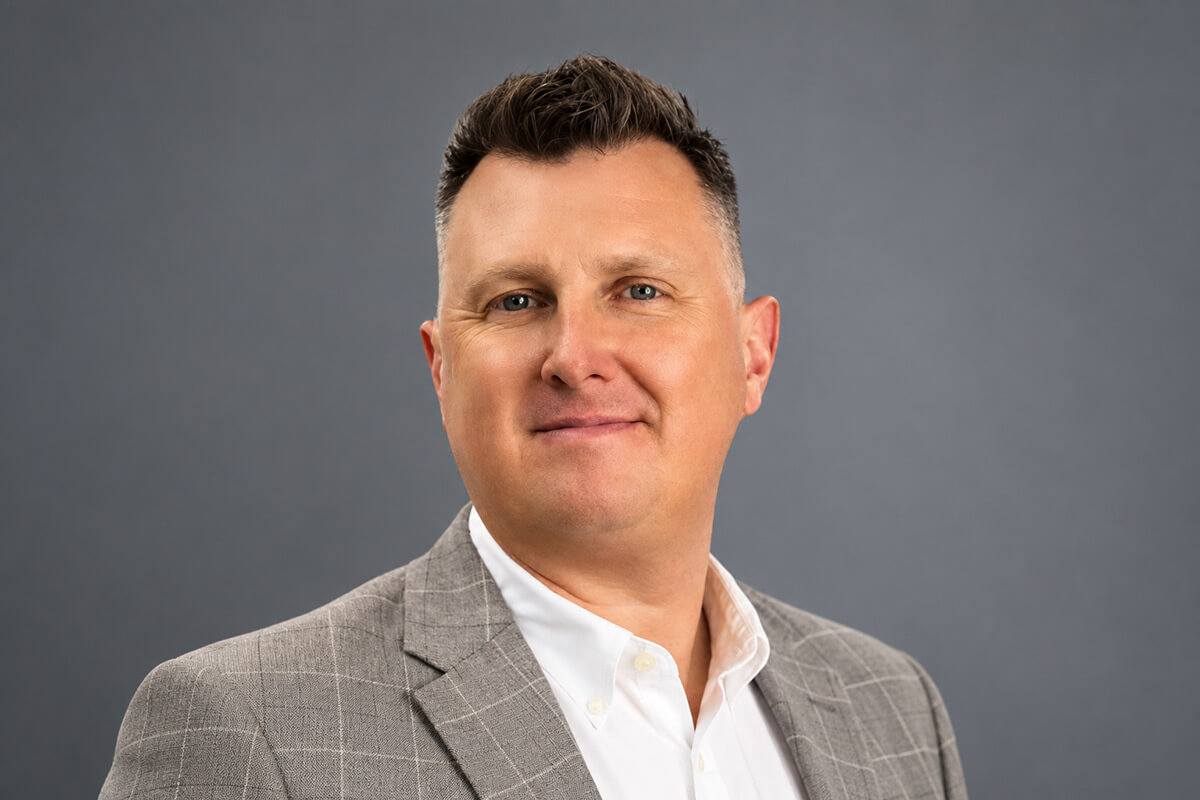
LeanTrix CEO and global BTO transformation coach with experience in designing, piloting and scaling capability systems across an international manufacturing network.

LeanTrix Board Member, Toyota Kata and TWI Master Trainer developing leadership routines, target-condition thinking and internal coaching capability.
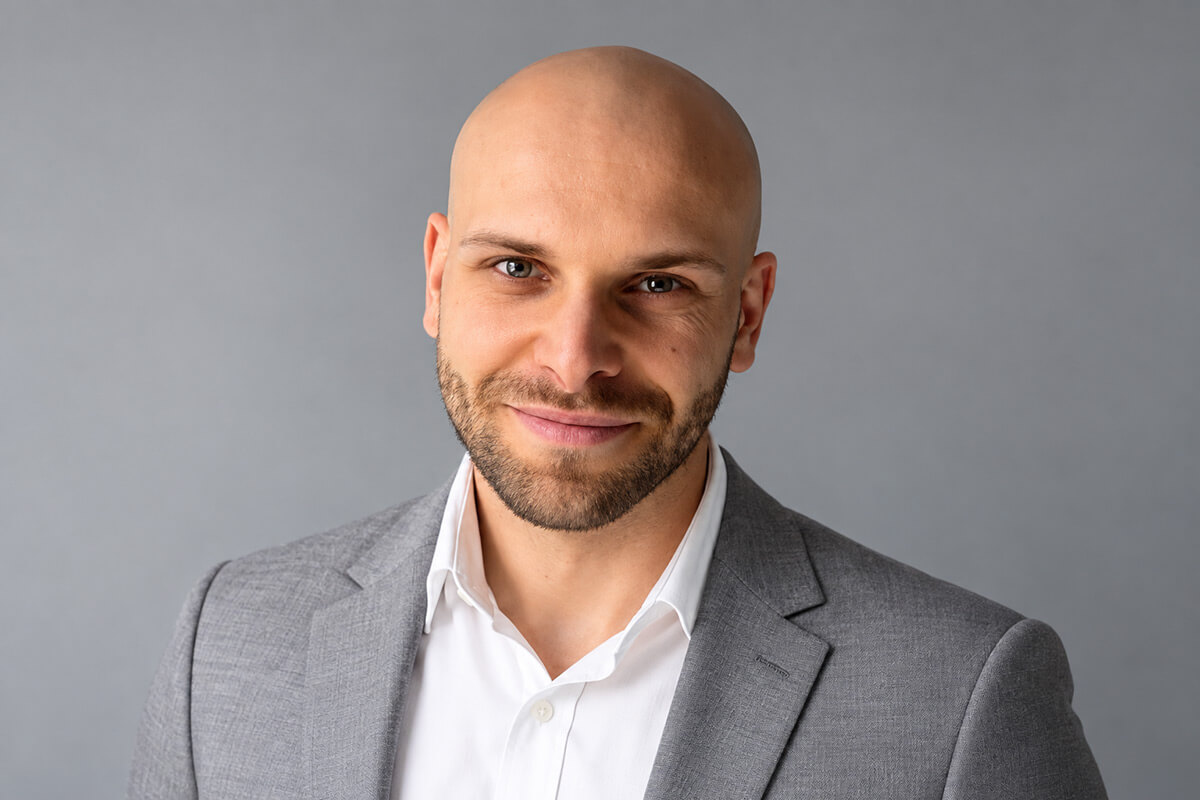
COO and Board Member at LeanTrix and TWI Master Trainer. He combines Lean and TWI expertise with work standardisation, Kaizen, operational transformation and the practical scaling of AI across organisations.
An international ecosystem
Each partnership contributes a different capability: focus on the constraint, scientific experimentation, certification standards or a community for exchanging implementation experience.
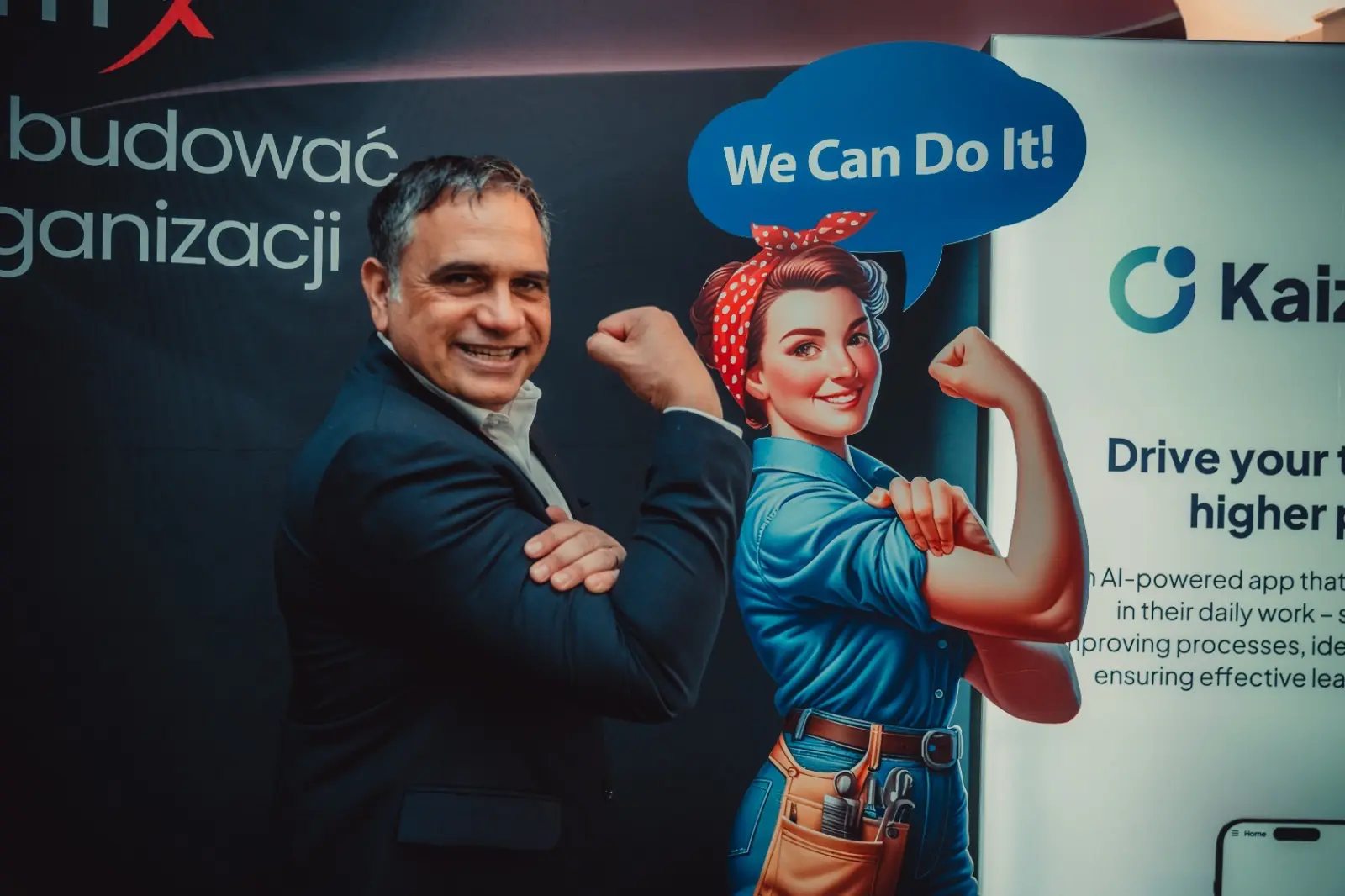
LeanTrix is the exclusive Goldratt Europe partner in Poland and works directly with Rami Goldratt and the Goldratt Europe team on practical applications of the Theory of Constraints.
Explore the partnership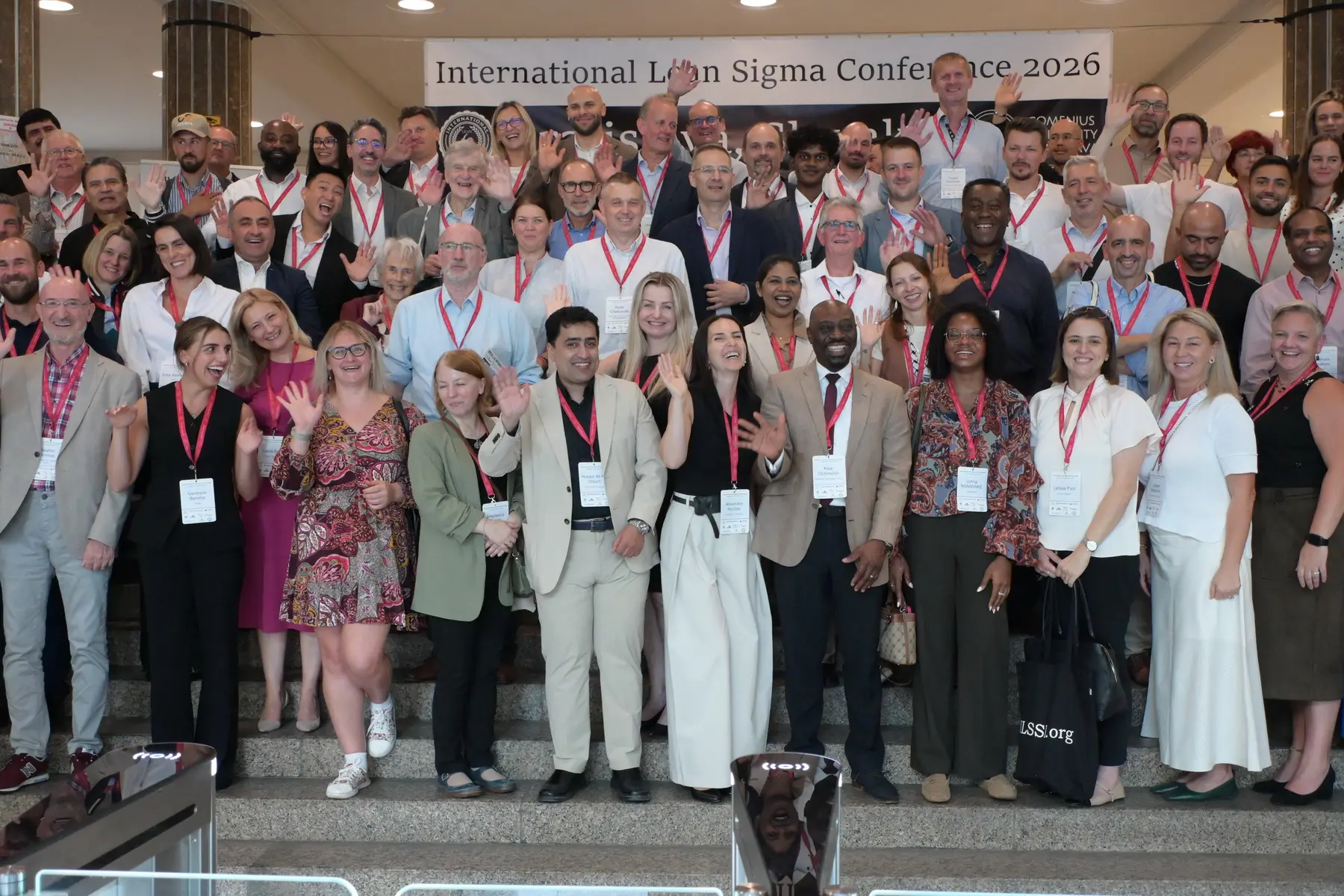
LeanTrix is an accredited ILSSI partner in Lean, Six Sigma and TWI. Selected pathways combine capability development, a workplace project, assessment and certification.
See the ILSSI partnershipThe LeanTrix team co-creates Kata School Poland as part of the international KATA Schools network and develops practical coaching routines based on the research behind Toyota Kata.
Explore Toyota KataLean Summit brings together practitioners and teams presenting real transformation projects, obstacles, experiments and results across Lean, AI and leadership.
Explore Lean SummitLearning beyond the classroom
LeanTrix runs workshops and learning visits in real operating environments. Depending on the programme, participants can explore the experience of organisations such as Toyota, Geberit, Cooper Standard, BSH or PepsiCo.
The purpose is not to copy somebody else's solution. The team observes practices, asks questions and selects elements worth testing as experiments related to its own constraint and target condition.
From inspiration to action
Participants do not remain passive recipients of knowledge. After every important observation, they define decisions that can enter their own transformation cycle.
What should we begin doing to remove an obstacle or move towards the target condition faster?
Which activities, rules or habits do not support the system direction and result?
Which practices are producing evidence and should be sustained, developed or scaled?
Evidence beyond declarations
Explore implementation cases and original client documents covering Lean, TWI, leadership, quality and organisational transformation.
FAQ
Project scope, work cadence and methods always follow from the nature of the constraint and the organisation's readiness.
Lean transformation changes how an organisation manages, solves problems and develops people. It is not a one-off rollout of tools. The organisation learns to identify constraints, run controlled experiments and sustain verified standards.
It starts with a system audit covering processes, data, work standards, decision routines and capability. The first result is one priority constraint on which the organisation can focus its energy.
It does not start with a selected tool or training course. It connects the system constraint, Hoshin Kanri, Toyota Kata, controlled experiments, capability building and regular result reviews.
The sponsor gives the change priority, makes cross-functional decisions, removes obstacles and protects the team's time to learn. The sponsor also keeps the transformation connected with business strategy.
A challenge provides longer-term direction and defines the success the organisation is pursuing. A target condition describes a nearer, measurable way of working that the team approaches through experiments.
They are selected after the constraint, current condition and relevant obstacle are understood. The method must fit the problem and the knowledge required from the next experiment, not the other way around.
Selected LeanTrix pathways can include assessment and certification with the International Lean Six Sigma Institute. The exact scope depends on the programme and participant role.
Measures are tied to the system constraint and target condition. Depending on the context, they may include lead time, quality, availability, productivity, delivery, work in progress or capability.
Yes. The constraint may be found in a service, logistics, administration, healthcare, construction or management system. The operating context changes, but the logic of focus, experimentation and learning remains useful.
An initial audit and the first target-condition cycle can begin relatively quickly. The wider transformation develops through consecutive cycles, and its duration depends on system scale, the nature of the constraint and the organisation's learning capacity.
First step: the right constraint
The first conversation is used to understand the challenge and determine whether the LeanTrix Transformation Loop fits the situation. The next step may be an audit, a diagnostic workshop or a focused target-condition project.