Lean Gamification can transform process learning from a one-off training event into a series of engaging experiences. The Atlas Ward case study shows how a five-week “Atlas Procesów” (“Process Atlas”) pilot helped establish a shared process language, train everyone in the selected area and achieve a satisfaction score of 4.97 out of five.
The project began with a specific problem, a clearly defined audience and three success measures. Game mechanics, messaging and the approach to updating the programme were selected only after these foundations were in place.
Atlas Ward and the construction industry context
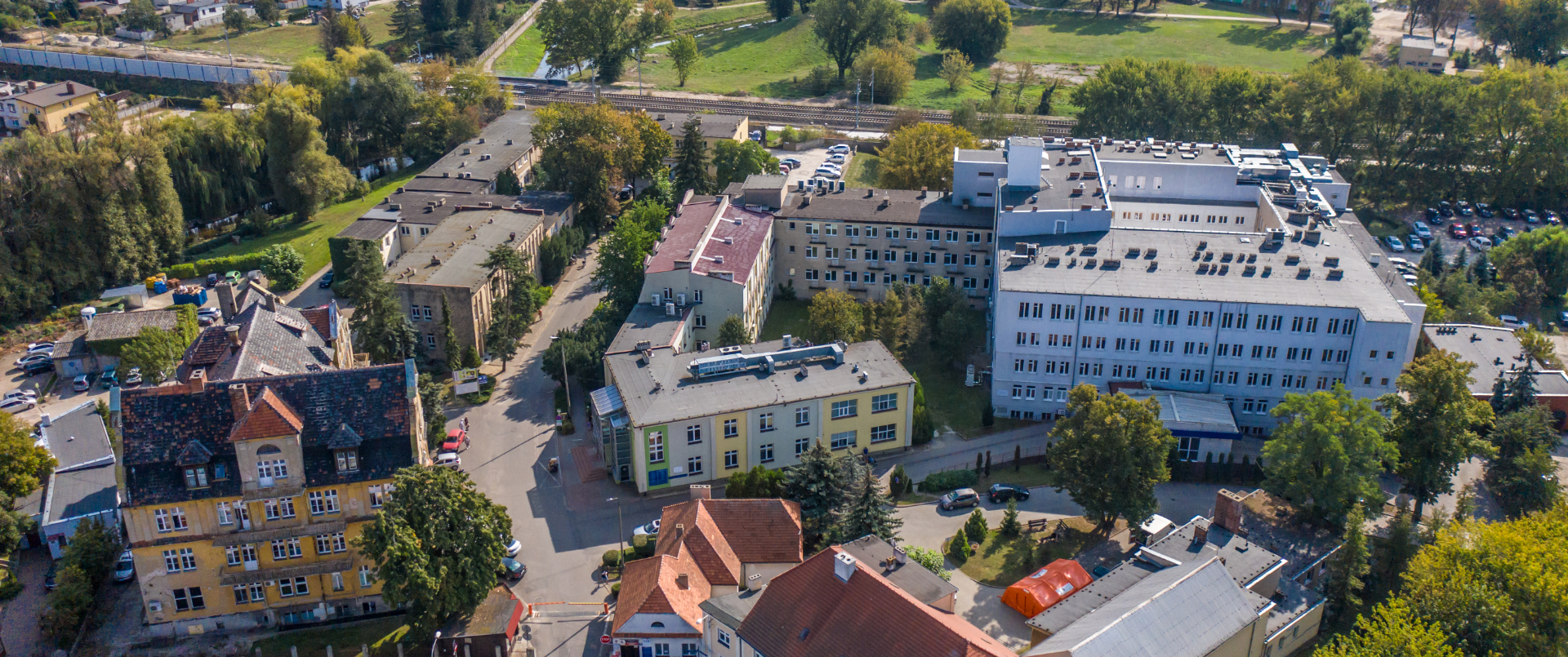
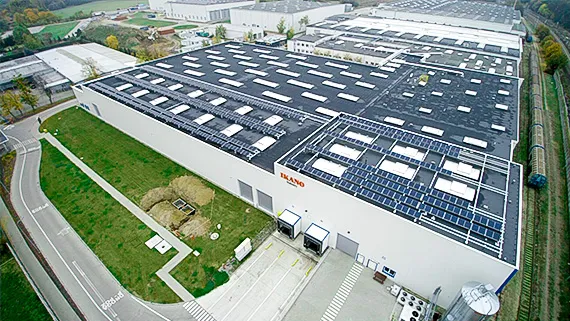
Atlas Ward is a general contractor for industrial, logistics and technology facilities. This business model involves numerous dependencies, changing conditions and collaboration between many functions. In this environment, a process approach has a practical role: it clarifies accountability, information flow and how problems are addressed.
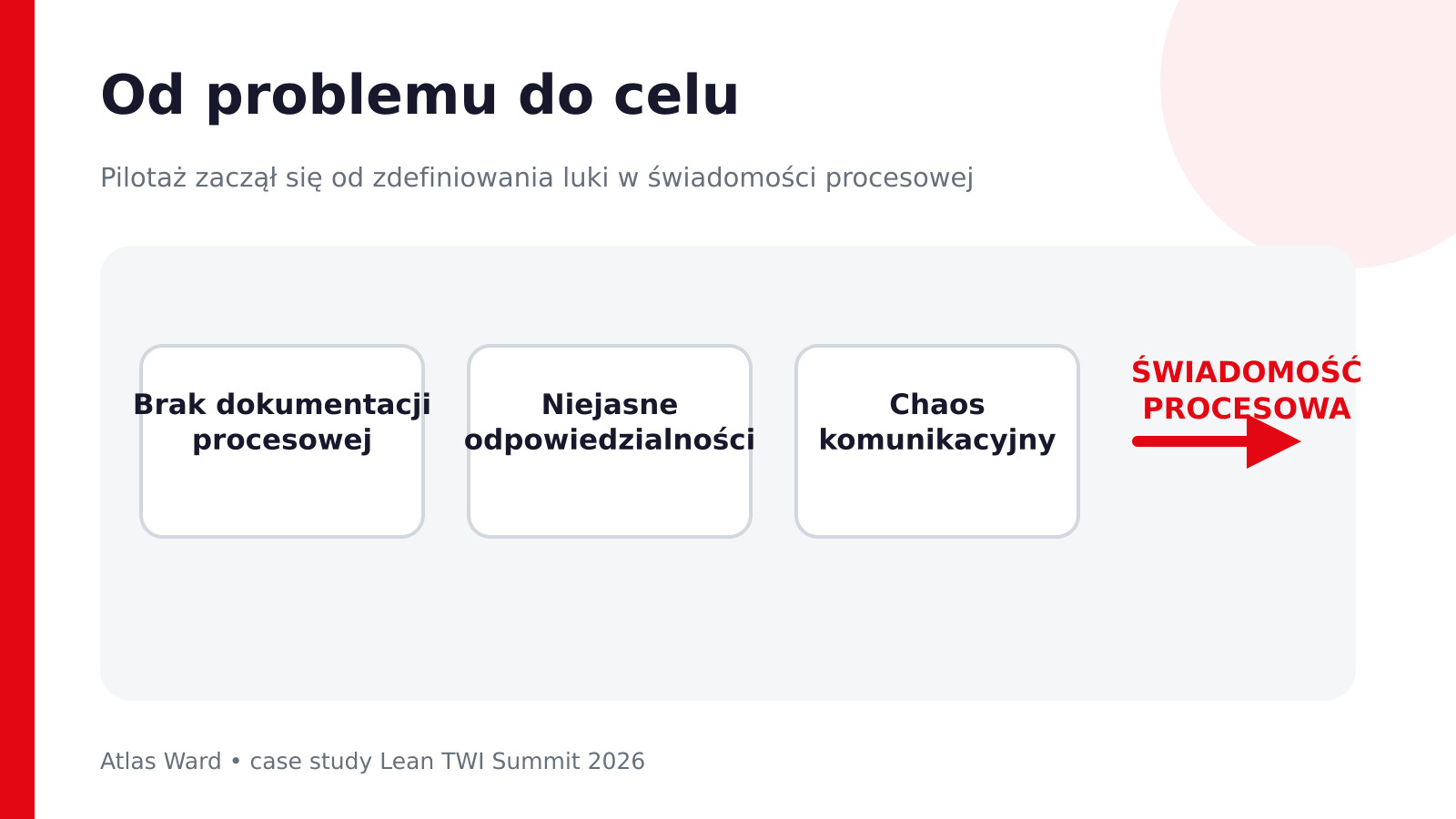
The Warranty Service Department was selected for the pilot. Its work was described as dispersed and difficult to predict, and the team had undergone changes in previous years. The diagnosis identified three symptoms: incomplete process documentation, unclear responsibilities and communication chaos. Their common underlying issue was insufficient process awareness.
Lean Gamification: objectives and measures before the game begins
The project team went beyond a general ambition to “increase engagement”. It established three measurable criteria:
- Employee training — reach 100% of people in the pilot area.
- Increased process awareness — achieve a 20% improvement against the survey conducted before the game.
- Positive reception — achieve a satisfaction score above 4.0 on a scale from one to five.
This sequence matters. The expected change and how to measure it come first; the educational format follows. This keeps Lean Gamification connected to process development and the company’s needs.
What is Lean Gamification?
Lean Gamification combines Lean Management principles with techniques drawn from games. Participants do more than receive a presentation. They complete tasks, make decisions, receive feedback, see their progress and learn from the consequences of their actions.
Game elements can be applied in two settings. The first is a safe simulation in which a team learns Lean principles and tools. The second is a real process in which game mechanics support actual behavioural change. The Atlas Ward project focused on learning a process approach in the context of everyday work.
For a broader discussion of the approach, see the LeanTrix article Gamification in Lean: using games to develop teams and leaders (in Polish).
The POMPA model for structuring a Lean Gamification project
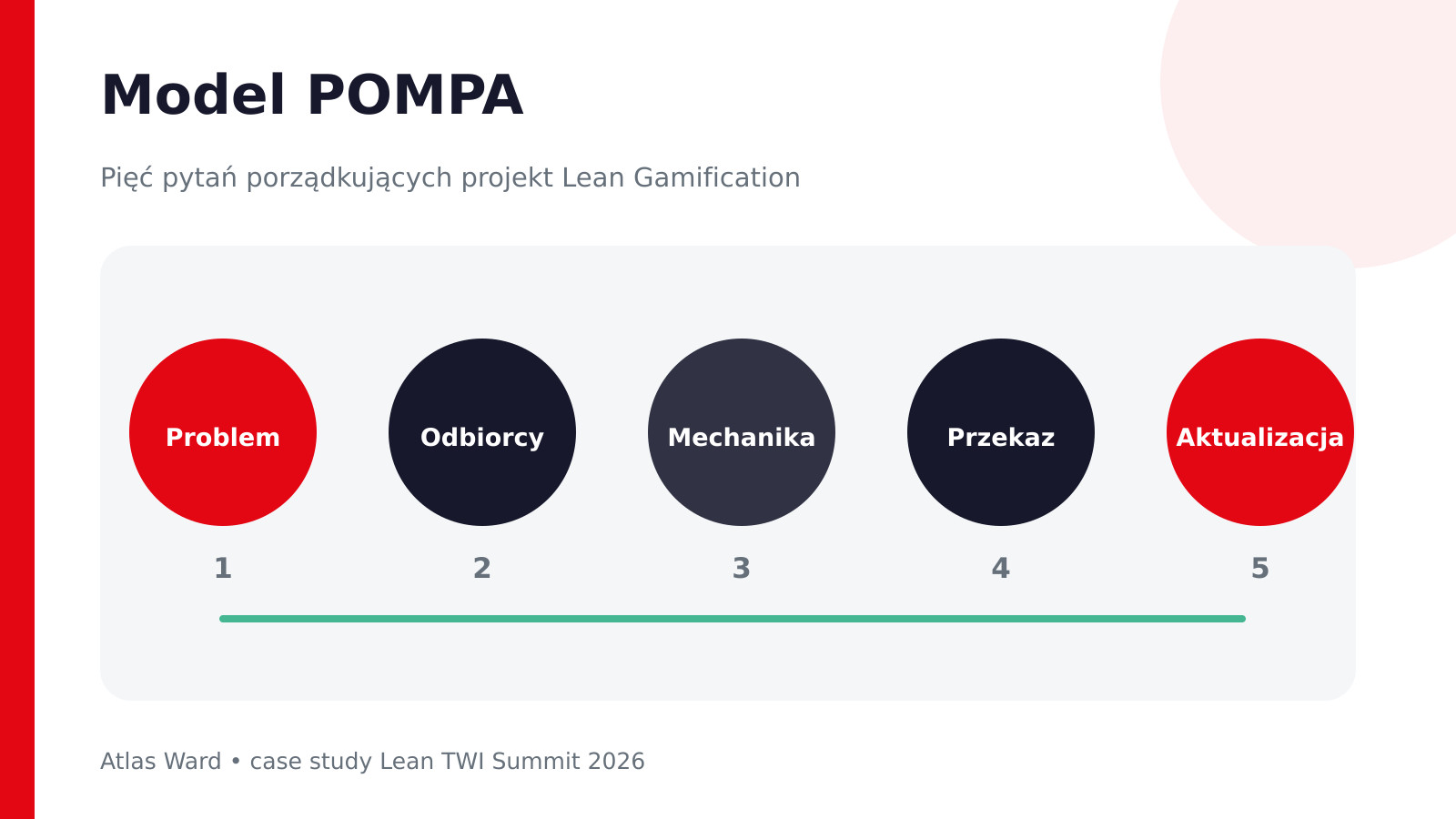
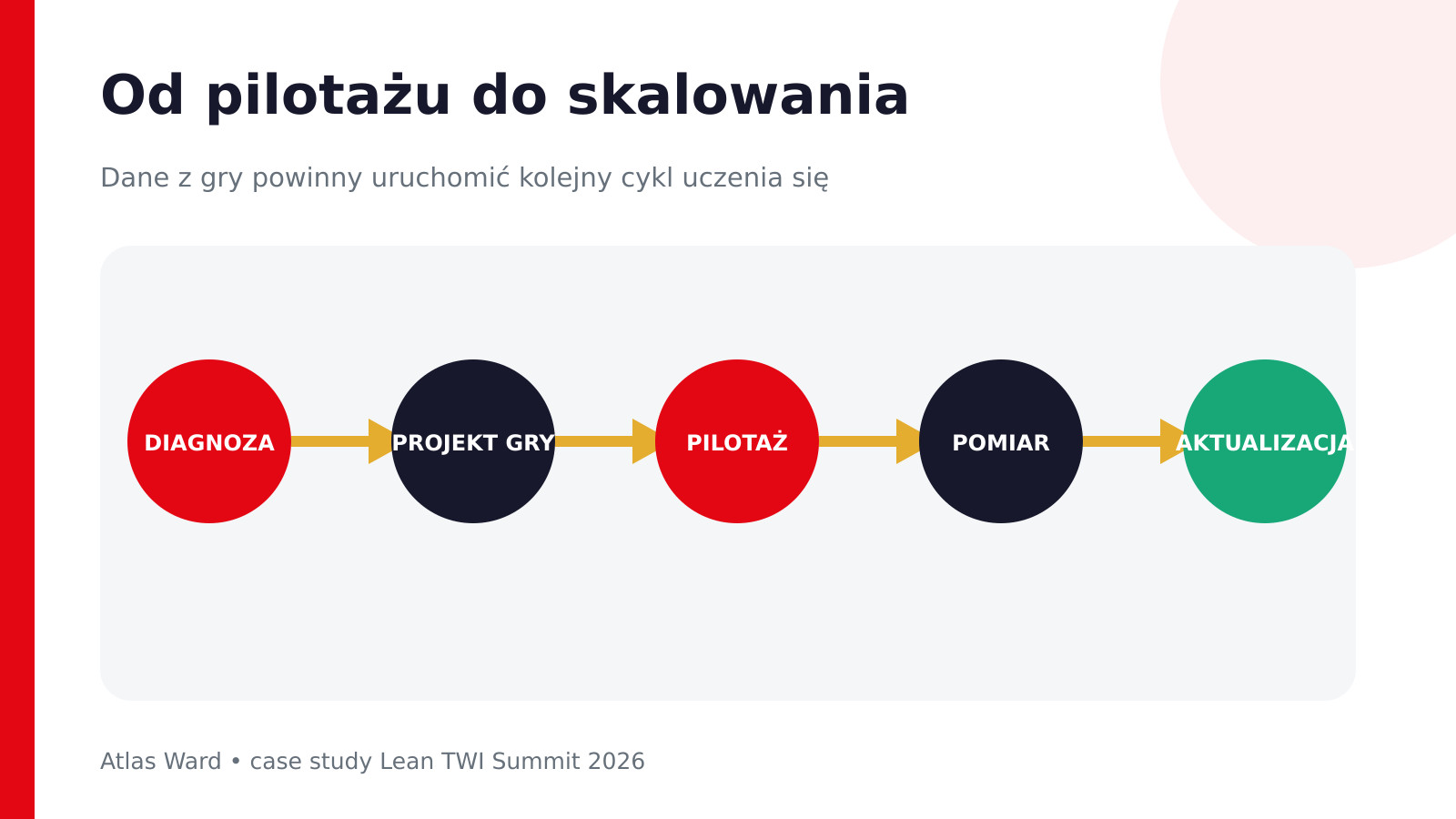
The project was described using the POMPA model. Its five areas help maintain the connection between a business objective and the participant experience:
- Problem — what situation needs to change?
- Audience — who is taking part, and under what conditions do they work?
- Mechanics — which tasks, rules and forms of feedback support the objective?
- Pilot — what story and communication will participants encounter?
- Updating — how will the programme develop in response to data and feedback?
The central lesson is simple: the same game should not be copied into every team. Good mechanics follow from the audience and the problem. Without diagnosis, even an impressive programme may fail to produce the behaviours needed in the process.
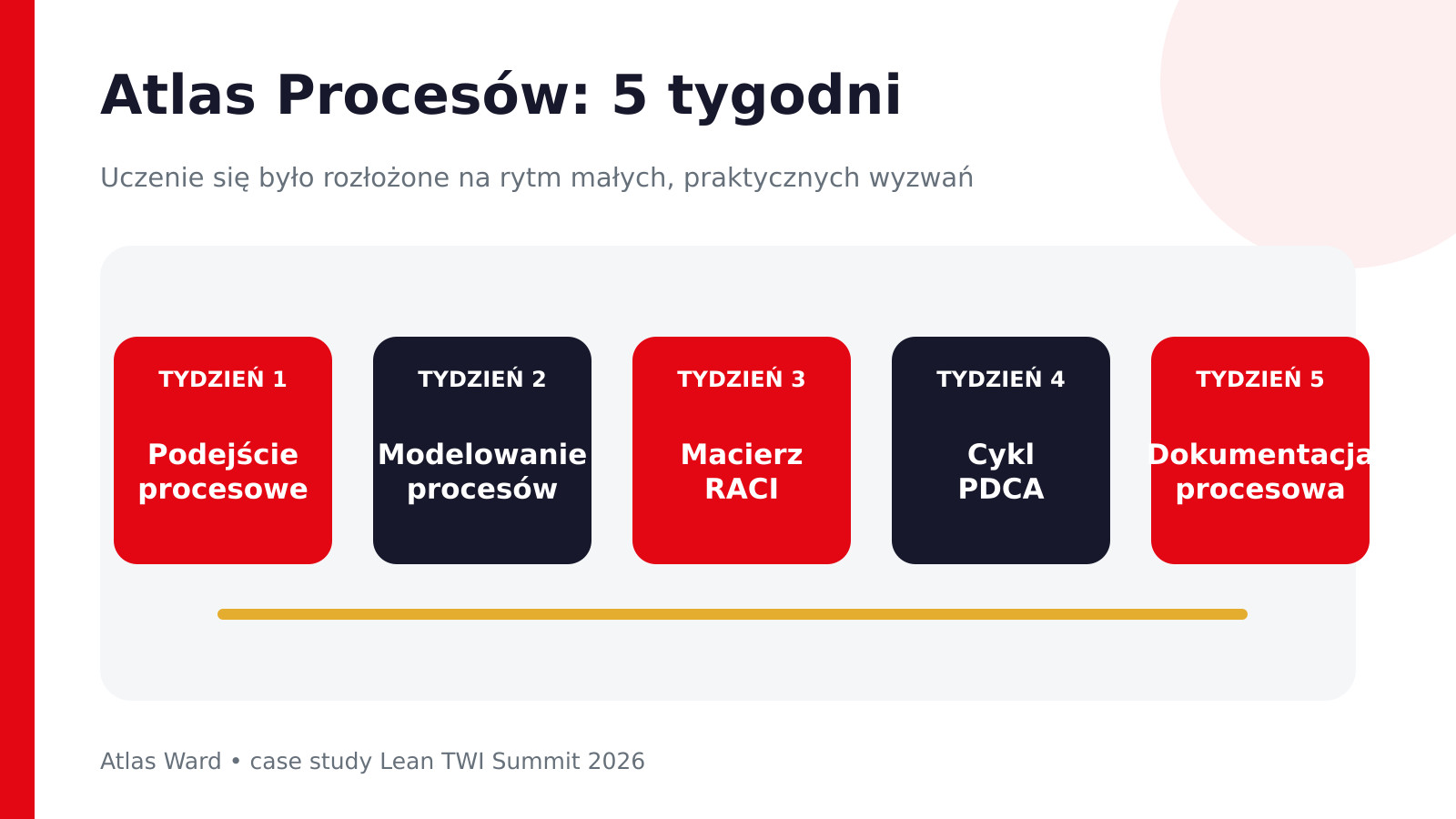
“Process Atlas”: five weeks of learning about processes
The programme ran over five weeks. Each stage developed another element of process competence:
- the process approach,
- process modelling,
- the RACI responsibility matrix,
- the PDCA cycle,
- process documentation.
Introducing the material gradually reduced the risk of theoretical overload. Instead of attending one long training session, participants returned to the topic over successive weeks, connecting new concepts with earlier experience. This rhythm helps reinforce shared language and makes it easier to discuss real dependencies between tasks.
Two task pathways: foundations and special challenges
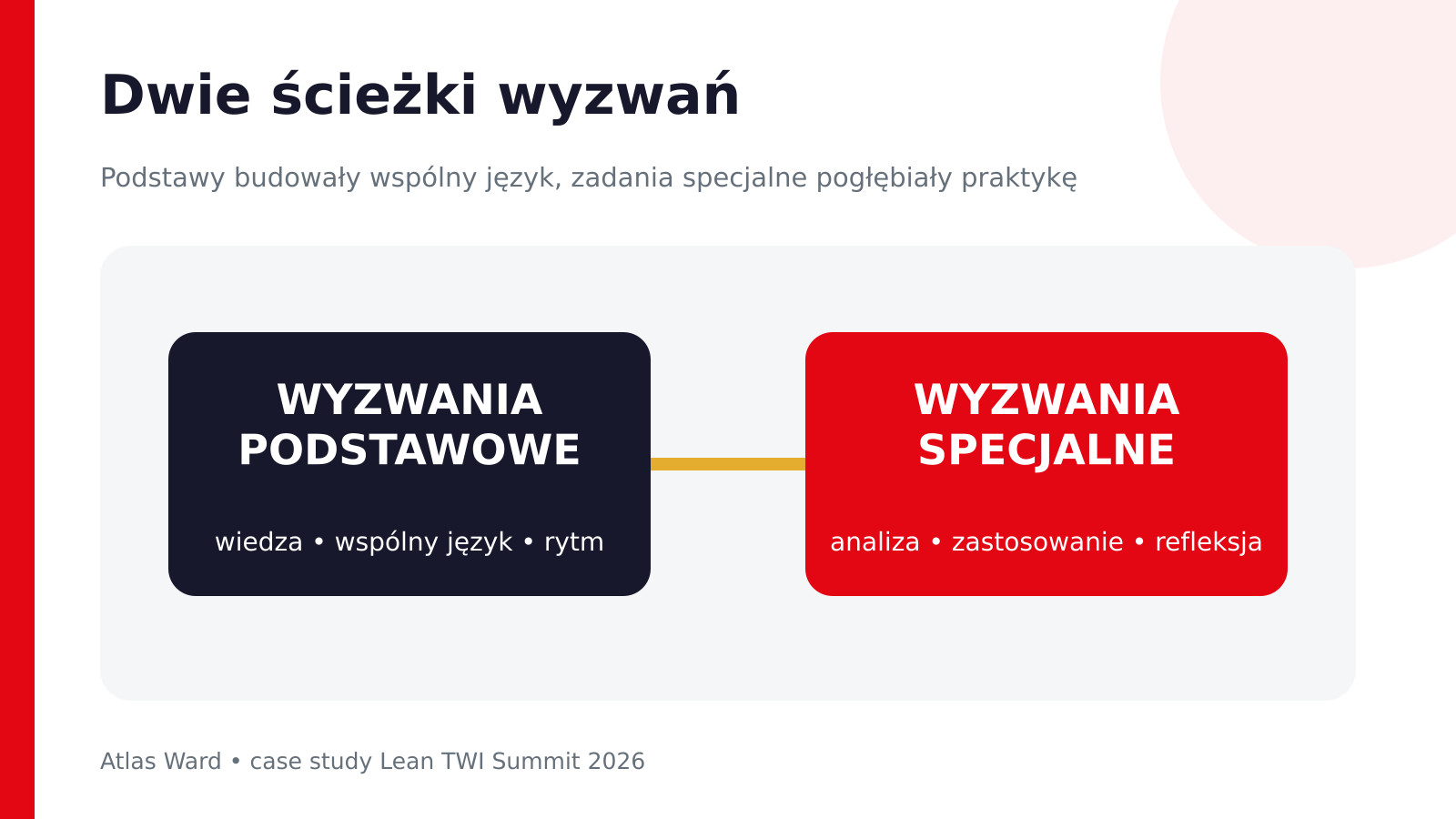
“Process Atlas” included basic and special challenges. Basic challenges established a shared foundation. Special challenges enabled participants to move towards more practical tools, including the Ishikawa diagram, process monitoring, problem definition and Pareto analysis.
This helps guard against a common weakness in process training: knowing tool names without knowing how to apply them. A special challenge requires a concept to be applied to a specific situation, while feedback allows participants to adjust their thinking quickly.
For teams just beginning to work with processes, the LeanTrix guide What is Lean Management? (in Polish) provides useful background on value, waste and continuous improvement.
Lean Gamification results at Atlas Ward
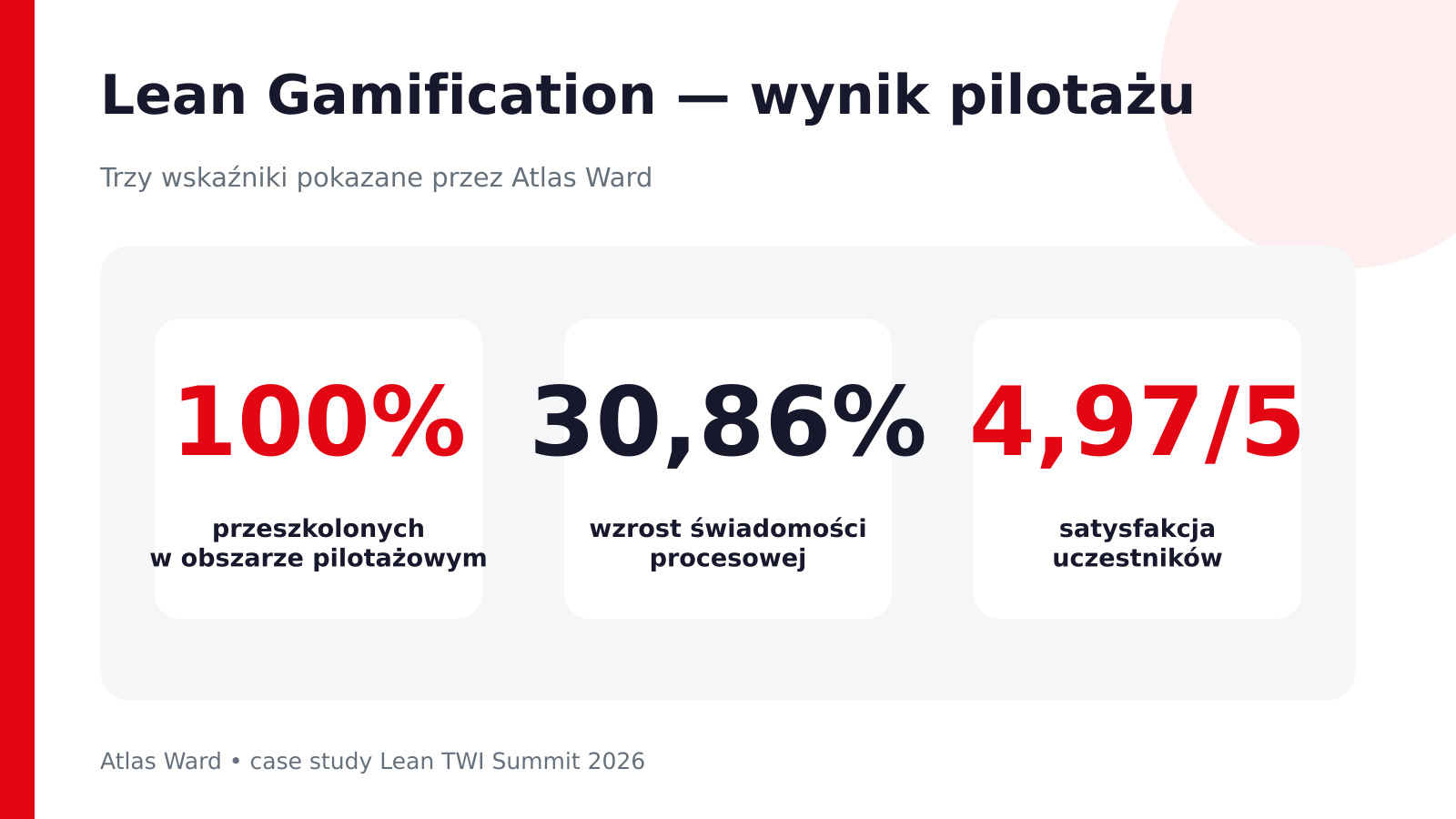
All three pilot objectives were achieved or exceeded:
| Measure | Target | Achieved |
|---|---|---|
| People trained in the pilot area | 100% | 100% |
| Increase in process awareness | 20% | 30.86% |
| Participant satisfaction | > 4.0/5 | 4.97/5 |
Participants’ comments highlighted the combination of learning and fun, clear communication, personalisation and practical tasks. Particularly significant was their perception that the programme was tailored to the specific team rather than transferred unchanged from another organisation.
How should the pilot results be interpreted?
The results provide strong support for the quality of the learning experience and increased process awareness within the pilot group. They do not automatically demonstrate improvements in lead time, cost, quality or company-wide performance. The presentation did not report those operational measures.
The appropriate interpretation is that the team built a foundation for further improvement and achieved its planned learning objectives. The next stage should establish whether the new knowledge improves documentation quality, clarity of responsibilities, communication and everyday problem-solving.
Four factors behind Lean Gamification success
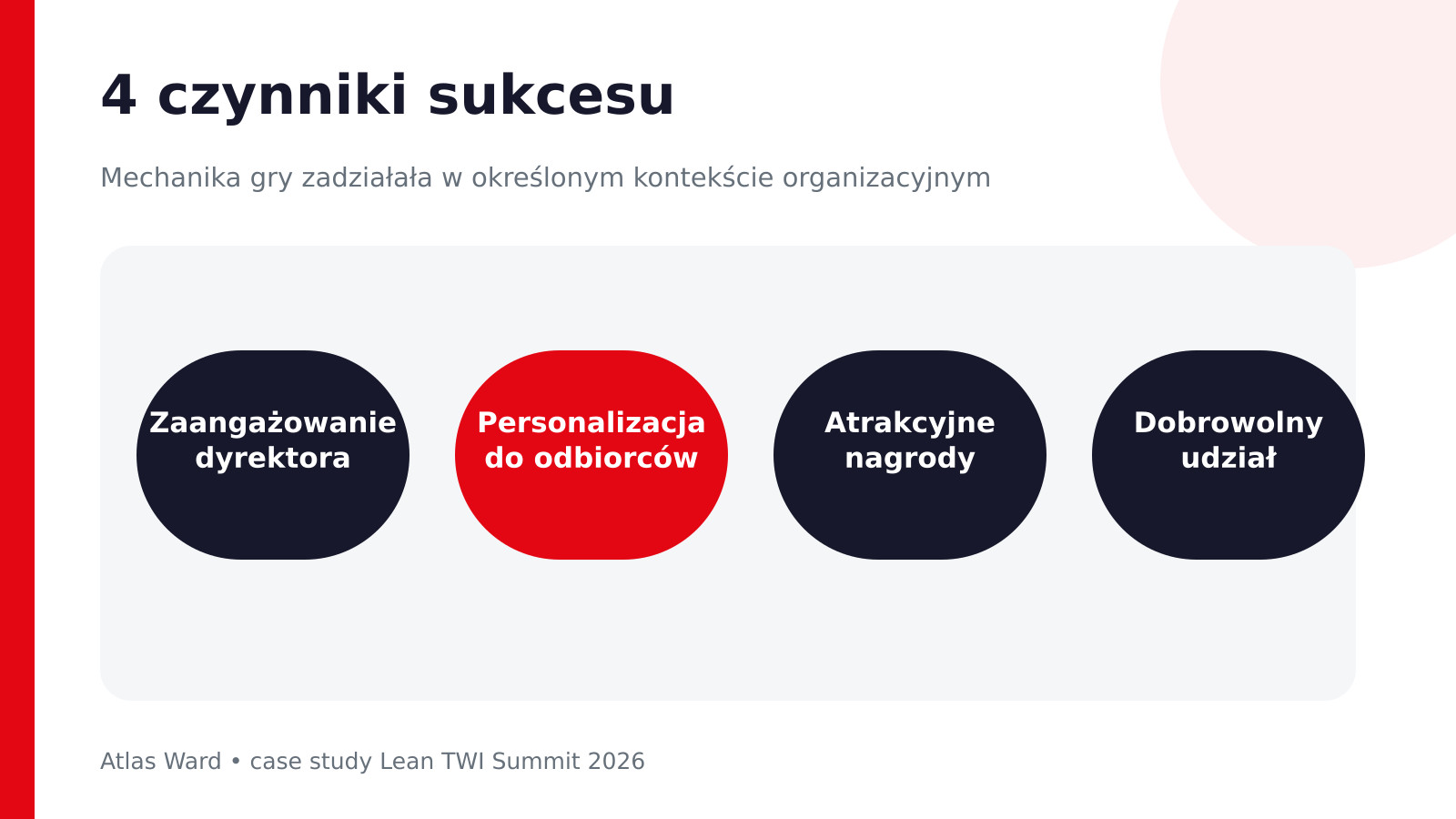
The authors identified four conditions that helped achieve the result:
1. Involvement of the department director
Visible leadership support gave the project importance and made it easier to connect activities with the real needs of the Warranty Service Department.
2. A personalised experience
The story, tasks and communication were grounded in the audience’s context. Participants could therefore recognise the connection between the material and their own work more quickly.
3. Attractive rewards
Rewards strengthened interest but did not replace a meaningful purpose. They were one part of the mechanics, alongside challenges, progress and feedback.
4. Voluntary participation
Voluntary participation supported participants’ autonomy. This matters because engagement cannot be created simply by making attendance compulsory.
How can Lean Gamification be applied in another organisation?
The Atlas Ward case study does not provide a ready-made game to copy. It demonstrates a design sequence that can be applied in different circumstances:
- Select one clearly defined problem and pilot area.
- Understand the audience, their working rhythm, constraints and motivations.
- Set measures before the programme begins.
- Design small tasks that form a logical learning pathway.
- Connect theory with challenges involving real processes.
- Collect data, feedback and observations throughout the programme.
- Update the programme before scaling.
The greatest risk is focusing on points, rankings and rewards at the expense of the business problem. Lean Gamification creates value when it helps people see processes more clearly, understand roles and take more effective action.
Lessons from the Atlas Ward case study
- Gamification does not replace an objective; it should be designed around a specific process gap.
- Audience analysis determines how mechanics and communication are tailored.
- A five-week rhythm enables skills to develop gradually.
- Special tasks help participants move from knowing concepts to applying them.
- Reach, changes in knowledge and the participant experience are worth measuring.
- Learning outcomes should be distinguished from operational results.
- Leadership involvement, personalisation and voluntary participation support sustained engagement.
Case study presenters
Agata Żurkowska
Agata Żurkowska is a Business Process Analyst at Atlas Ward. She combines identifying business needs with process modelling and designing solutions that support the organisation’s everyday work. At Lean TWI Summit 2026, she presented the practical implementation of process gamification in the Warranty Service Department, from diagnosing the audience and objective to measuring the pilot’s impact.
Maciej Pieńkowski, PhD, Eng.
Maciej Pieńkowski holds a doctorate in social sciences in the discipline of management and quality sciences. He is a Lean Management and change management practitioner and the author of “Lean Gamification. Ciągłe doskonalenie z wykorzystaniem elementów gier” (“Lean Gamification: Continuous Improvement Using Game Elements”). He combines business practice with teaching and research. He created the POMPA model used to design Lean Gamification solutions.
This article is based on materials presented by Agata Żurkowska and Maciej Pieńkowski at Lean TWI Summit 2026 in Wrocław. The reported results relate to a five-week pilot in a selected area of Atlas Ward and are not presented as organisation-wide operational results. Original presentation graphics are retained, with English captions and alternative text.