


Maintenance reacts quickly, but the same failure modes return and root causes remain open.
Machine reliability · production and maintenance
Total Productive Maintenance (TPM) is a company-wide system for preventing equipment losses by connecting operator ownership, maintenance strategy, problem solving and capability development.
TPM – Total Productive Maintenance
Improve availability and flow by restoring basic conditions, making abnormalities visible and building one operating system for production, maintenance and engineering.
8 pillarsa complete TPM development architecture
6 lossesa practical lens for capacity and OEE
1 systemproduction, maintenance and engineering
Start with the loss
When TPM should become a priority
TPM is justified when equipment instability constrains safety, quality, delivery or cost—and the current response does not prevent recurrence.
Small interruptions, waiting and speed losses consume capacity without appearing as major failures.
Contamination, looseness, leaks and access problems make abnormal conditions difficult to see early.
Priorities, data and ownership are divided, so the system protects neither flow nor lifecycle cost.
A complete reliability system
Eight TPM pillars and six big equipment losses
The pillars build organisational capability. The six losses keep the work focused on measurable availability, performance and quality.
The eight pillars
- Focused improvement
- Autonomous maintenance
- Planned maintenance
- Quality maintenance
- Early equipment management
- Education and training
- Safety, health and environment
- Office TPM (administrative and support processes)
The six big losses
- Breakdowns
- Setups and adjustments
- Idling and minor stops
- Reduced speed
- Defects and rework
- Start-up losses
Autonomous + planned maintenance
Operators do not replace maintenance specialists
Autonomous maintenance develops observation, basic care and early abnormality detection. Planned maintenance uses criticality, failure modes and history to decide what specialist work should be done and when.
The connection is a clear abnormality-reporting and feedback loop: production sees and protects basic conditions; maintenance removes causes and improves technical reliability.
Pilot, learn, scale
How we implement TPM
We begin with a critical machine or family, not with a plant-wide checklist. The pilot must demonstrate a measurable change in loss and behaviour.
Loss and criticality diagnosis
Combine process impact, breakdown history, maintenance burden and operating observations to define the pilot and baseline.
Restore basic conditions
Clean, inspect and repair deterioration so that normal and abnormal states become visible.
Create AM, PM and reaction standards
Clarify operator care, specialist maintenance, abnormality tags, escalation and feedback.
Develop capability and scale
Coach the production–maintenance team, solve recurrent losses and transfer the system using evidence from the pilot.
Reliability and flow
How to measure TPM results
OEE is useful, but it should be read together with loss structure, maintenance behaviour and the stability of basic conditions.
| Measure | What it answers | Example |
|---|---|---|
| Availability and loss | Is equipment instability constraining flow? | Breakdown time, micro-stops, speed loss and OEE components |
| Failure behaviour | Are failures becoming less frequent and easier to recover from? | MTBF, MTTR and recurrence by failure mode |
| Planned vs reactive work | Is maintenance moving from firefighting to prevention? | Emergency work share, schedule compliance and backlog risk |
| Basic-condition health | Can teams see and close abnormalities early? | Open tags, closure lead time, repeat abnormalities and AM adherence |
TPM in practice
Case studies focused on real equipment losses
Our implementation portfolio combines TPM with TWI, 5S and problem solving because reliability depends on both technical countermeasures and daily capability.
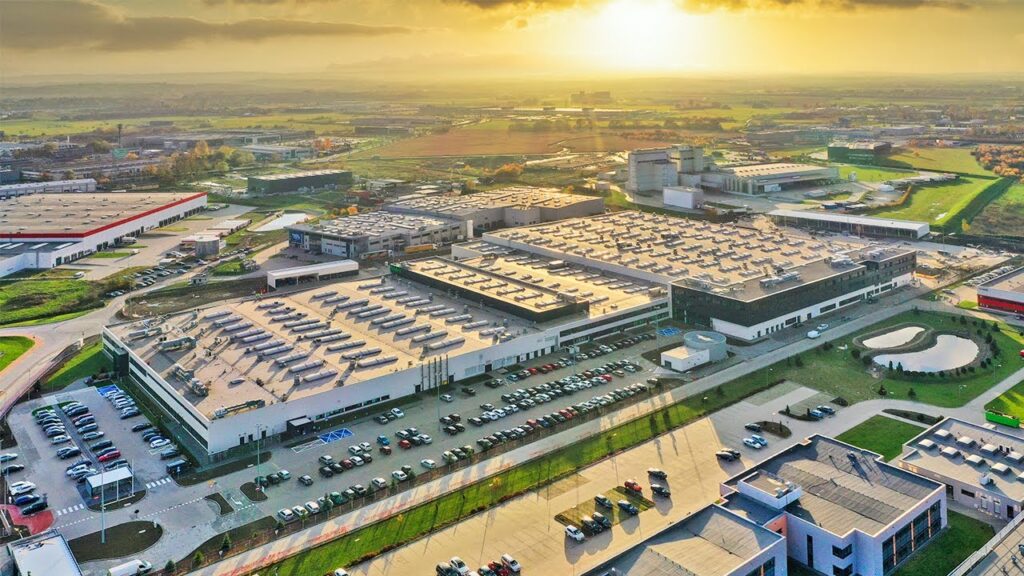 Nidec · TPMBreakdown-related efficiency loss: 3.8% → 1.31%The share of machine-efficiency loss attributed to breakdowns fell from 3.8% in 2008 to 1.31% in 2014.Read the case study →
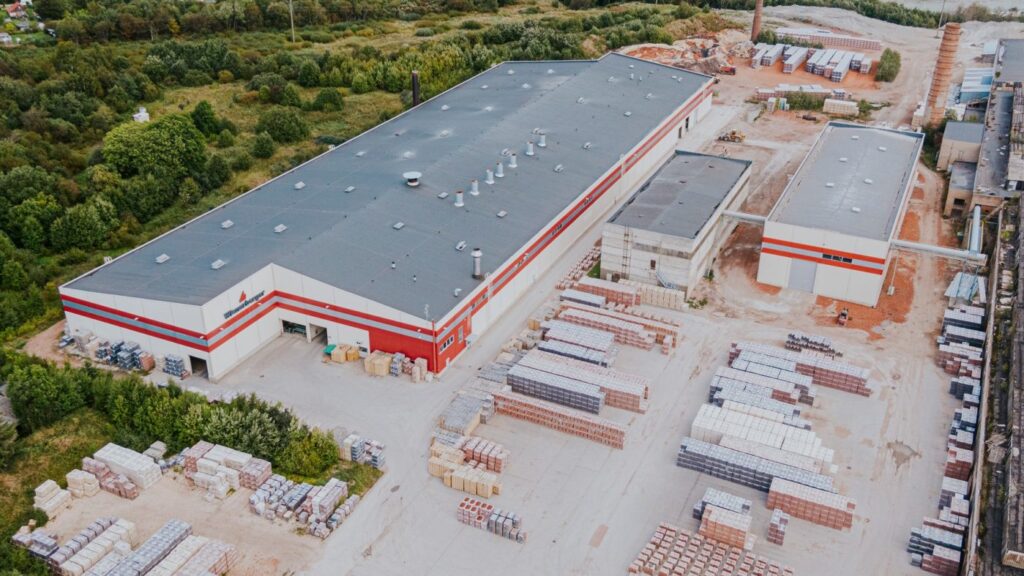 Wienerberger · TPM + TWI50 instructors, 20 leaders and 200+ instructionsTechnical standards were reinforced by structured employee training so that the new way of working could be repeated and sustained.Read the case study →
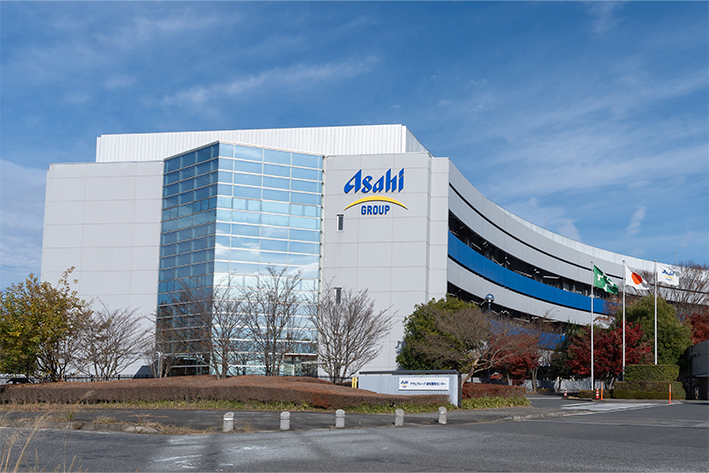 Asahi Group · 5S + TPM5S as a foundation for TPMBasic conditions, visible abnormalities and leader routines created a practical starting point for equipment reliability.Read the full case study →
Explore Lean and TWI implementations across industries
See full project stories and signed client references to understand how LeanTrix connects operational methods with measurable results.
TPM expert
Technical reliability connected with operating behaviour
Implementation needs credibility with maintenance, production and leadership. The expert role is to help the team build a system it can own.

Michał Lubieniecki
LeanTrix TPM and maintenance expert. He connects machine reliability, autonomous maintenance, planned maintenance and frontline capability building.
View expert profile →Build a connected operating system
Continue with a related capability
Each method is stronger when it is connected to standard work, leader routines and measurable process performance.
FAQ
Frequently asked questions about TPM
TPM is not a maintenance project or a campaign of machine cleaning. It is an operating system for reliability.
Is TPM the same as preventive maintenance?
No. Preventive maintenance is one component. TPM connects autonomous maintenance, planned maintenance, focused improvement, quality, safety, early equipment management and capability development.
What is autonomous maintenance?
Autonomous maintenance develops the operator's ability to clean, inspect, lubricate where authorised, recognise abnormalities and maintain basic conditions. It does not transfer specialist repairs to operators.
Do we need OEE before starting TPM?
No. OEE can help quantify losses, but a pilot can begin with breakdown, micro-stop, speed, quality and maintenance data already available. The measure must support decisions, not delay action.
Which machine should be the pilot?
Choose a machine that matters to flow, has a meaningful and observable loss pattern, has accessible data and has a production–maintenance team able to work together.
How long does TPM implementation take?
A focused pilot can show early changes in weeks, but a reliable multi-area system requires repeated cycles of restoration, standards, problem solving, capability development and governance.
Can TPM work with predictive maintenance?
Yes. Condition monitoring and predictive tools improve decision quality when sensors, data ownership, failure modes and reaction standards are connected to the wider TPM system.
Start with the business problem
Start TPM with a critical loss, not a checklist
Tell us which machines, losses or maintenance behaviours constrain performance. We will help you select the pilot, restore conditions and design the production–maintenance operating rhythm.
Free consultation
We first understand the process, the expected result and the conditions for implementation. Then we propose the right expert and the next practical step.
Discuss your challenge