


Tools, materials, documents or people are gathered only after production has stopped.
Quick changeover · flow · standard work
SMED (Single-Minute Exchange of Die) is a Lean method for reducing the time a machine or line is unavailable during changeover. It separates internal from external work, moves preparation outside downtime, simplifies the remaining steps and stabilises the new method.
SMED – What It Is and How to Reduce Changeover Time
We help teams observe the real changeover, remove waiting and unnecessary movement, protect quality and safety, and turn the improved sequence into a repeatable standard.
Last good → first gooda precise and repeatable measurement boundary for the changeover
Internal / externalseparate work that requires a stopped machine from work that does not
< 10 minthe single-minute ambition means a single-digit number of minutes—not necessarily one minute

Start with the operating problem
When changeovers determine batch size, capacity and delivery performance
Long setup time is rarely only a maintenance issue. It affects planning rules, inventory, responsiveness, quality after start-up and how much productive capacity the process can make available.
Long or costly setups encourage excess production, inventory and slower response to changing demand.
The first acceptable part arrives late because settings, tests or quality criteria are not stable.
Different sequences, roles and methods create wide variation and make capacity difficult to plan.
The working logic
The four-stage SMED logic
SMED improves the sequence before it automates it. The team first understands the current work, then changes what happens while the equipment is stopped and finally standardises the safest reliable method.
From observation to a repeatable quick changeover
The goal is not to make people rush. It is to redesign preparation, interfaces, roles and decision rules so that less work requires a stopped machine and the remaining internal work is simpler and more reliable.
- Observe the current sequence and agree the last-good-to-first-good boundary
- Separate internal activities from work that can be performed externally
- Convert suitable internal work into external preparation
- Simplify movement, fastening, adjustment and information access
- Use safe parallel work only when roles and interaction risks are controlled
- Standardise, train and verify quality at the first stable start-up
Illustrative calculation—not a client claim
How a 60-minute changeover can become 22 minutes of downtime
In a worked example, a 60-minute baseline contains 44 minutes of internal work, 10 minutes of waiting and 6 minutes of trials. After 21 minutes of preparation are performed externally, waiting is removed and the remaining internal work is simplified, the downtime becomes 22 minutes.
The example illustrates the SMED calculation; it is not presented as a LeanTrix client result. In a real implementation, every proposed change must be validated for first-start quality, safety, ergonomics, staffing and repeatability—not only speed.
Pilot, learn, scale
Run a pilot that operators, maintenance and quality can own
A useful first project selects one meaningful recurring changeover, creates shared evidence and builds an improved standard with the people who perform and support the work.
Select and define the pilot
Choose a relevant recurring changeover, agree the measurement boundary and baseline, and define what quality and stable operation mean after start-up.
Observe the complete sequence
Record activities, roles, travel, searching, waiting, adjustments and checks. Video can support analysis when the organisation and participants agree to its use.
Redesign and test
Move preparation outside downtime, simplify the remaining internal work and test role allocation, aids and settings without compromising safety or quality.
Standardise and sustain
Document the best-known sequence, train the team, confirm first-start conditions and review time and variation until the new method is stable.
Management evidence
Track speed, stability, quality and safety together
A shorter average is not enough if changeovers remain unpredictable or produce defects. The management view should show both released time and the conditions that make the result repeatable.
| Measure | What it reveals | Management question |
|---|---|---|
| Good-to-good time | Time from the last good part of one run to the first good part of the next run under stable conditions. | Is the agreed boundary measured consistently? |
| Variation | Spread between comparable changeovers, shifts, teams or product families. | Is the method stable enough to support reliable planning? |
| Internal-work share | How much activity still requires the equipment to remain stopped. | What can be prepared externally or simplified next? |
| First-start quality | Scrap, rework, trials and adjustments before stable production resumes. | Did the faster sequence preserve the required quality? |
| Safety and ergonomics | Hazards, awkward handling, interaction risks and workload introduced or removed by the design. | Can the standard be performed safely and repeatedly? |
Evidence, not decoration
Direct SMED evidence and clearly labelled related cases
Public case studies do not always disclose a numerical setup-time result. We state what the source supports and distinguish direct changeover evidence from related flow or standard-work evidence.
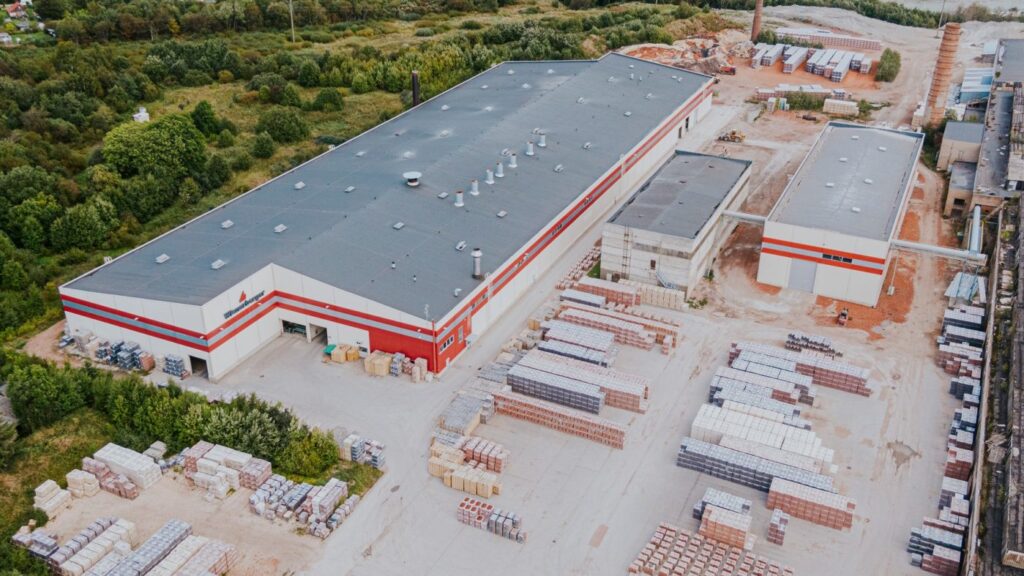 Wienerberger · direct implementation evidenceChangeover time reduced across a 13-site systemThe published case covers 13 sites and 22 production lines and reports reduced changeover time, improved process stability and higher OEE. It does not publish a numerical changeover-time or OEE result, so none is inferred here.Read the case study →
 Related flow evidence · furniture industryVSM and layout redesigned togetherThis is related flow evidence, not a stand-alone SMED result. The documented project shortened operator travel and cycle time, reduced visualised hazards and improved OEE.Read the related flow case →
 LeanTrix · evidence libraryImplementation evidence across industriesExplore documented Lean, TWI, TOC and operational-transformation programmes and the conditions that made the results sustainable.Explore the case-study library →
Signed client references and verified testimonials
See original client documents and named testimonials covering Lean, TWI, leadership development, quality and operational transformation.
People behind the work
SMED practitioners who connect changeover, flow and standard work
The implementation team combines changeover analysis with TPM, VSM, internal logistics, TWI Job Methods and workplace learning so the improved method can be sustained.

Rafał Wrona
LeanTrix practitioner combining TWI, SMED, Six Sigma, problem solving, TPM, VSM and material-flow experience.
View expert profile →
Kamil Müller
LeanTrix Board Member and TWI Master Trainer working with leaders, instructors and frontline teams on standard work and improvement.
View expert profile →Connected capabilities
Continue with a related method
A strong operating system links flow, standard work, leader routines and problem solving instead of treating each method as a separate initiative.
FAQ
Questions about SMED and quick changeover
Clear definitions prevent false gains and help the team improve downtime without shifting losses into quality, safety or external preparation.
What is SMED?
SMED, or Single-Minute Exchange of Die, is a structured method for reducing changeover downtime. It separates internal and external setup work, converts suitable activities to external preparation, simplifies the remaining work and standardises the improved sequence.
Does single-minute mean a one-minute changeover?
No. In the original SMED idea, single-minute means a single-digit number of minutes—less than ten. That is an ambition, not a universal promise; the practical target must reflect the process, risk and business need.
Where should changeover measurement start and finish?
Use one explicit boundary: from the last good part of the previous run to the first good part of the next run under stable conditions. This prevents trials, adjustment and quality losses from disappearing outside the measurement.
Does SMED require expensive automation?
Not necessarily. Many improvements come from preparation, role clarity, workplace organisation, quick checks, settings, fastening and removing waiting. Investment should follow evidence from the redesigned method rather than replace observation.
Who should participate in an SMED project?
Include the people who perform the changeover and the functions that shape it—typically operators, maintenance, quality, engineering, logistics and the responsible leader. The exact team depends on the process.
Do we have to record the changeover on video?
No, but video can make sequence, parallel work, travel and waiting easier to analyse. Use it only with appropriate organisational approval and participant consent, and agree how the recording will be stored and deleted.
How do we protect safety and quality while reducing time?
Treat safety, ergonomics and first-start quality as design conditions. Test the new sequence under controlled conditions, define acceptance criteria and reject any time saving that introduces uncontrolled risk or unstable output.
Can SMED be used outside traditional die changes?
Yes. The logic applies to format changes, cleaning, start-ups, product or tooling swaps and other repeatable transitions where preparation can be separated from downtime and the sequence can be standardised.
Start with the business problem
Choose one changeover and make the loss visible
We can help define the good-to-good boundary, observe the real sequence and design a pilot that balances released capacity with quality, safety and a standard the team can own.
Free consultation
We first understand the process, expected result and implementation conditions. Then we propose the right expert and a practical next step.
Discuss your challenge