


Design information, access, materials, equipment or predecessor work are incomplete, so crews stop, improvise or return later.
Construction management · flow · reliable planning
Lean Construction is an operating system for managing the whole project around customer value, reliable workflow and collaborative commitments instead of optimising each contractor or resource in isolation.
Lean Construction: Improve Flow, Planning and Project Delivery
Build a more predictable project system: make prerequisites visible, plan work from real readiness, coordinate trades and turn deviations into learning rather than repeated firefighting.
Whole projectoptimise value and flow, not local utilisation
Pull planningwork backwards from required milestones
Daily learningrespond to variance and prevent recurrence
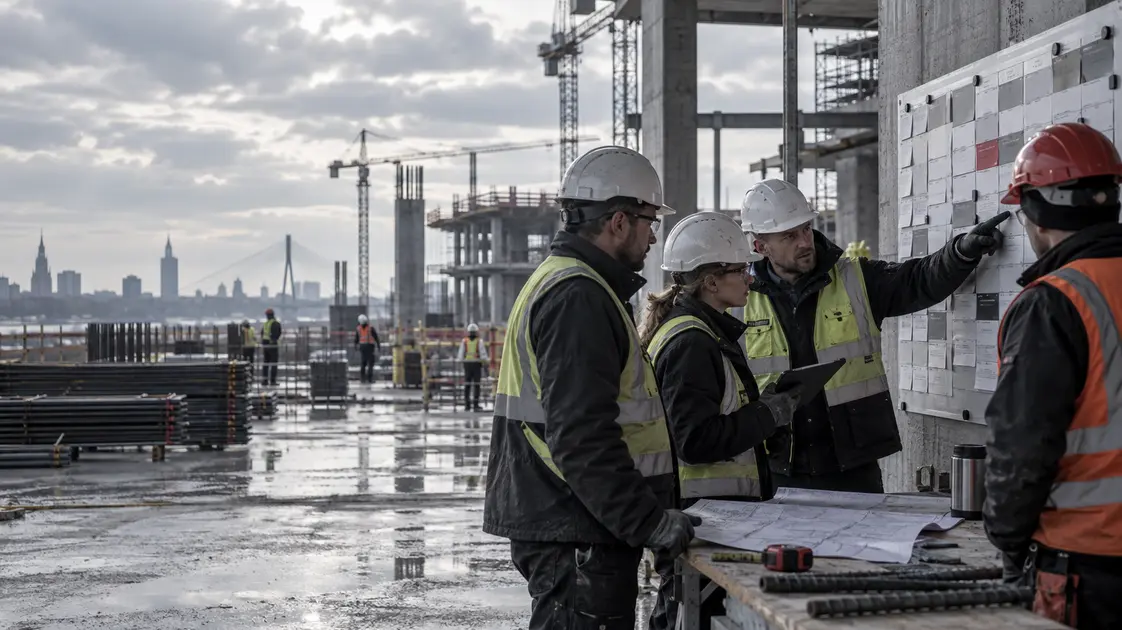
Start with the operating problem
When local activity does not create reliable project progress
Lean Construction becomes relevant when teams stay busy but the project still loses time through waiting, missing prerequisites, unstable priorities and weak coordination between trades.
Schedules are detailed, but short-term promises are not tested against constraints and ownership.
One team protects its utilisation while creating queues, congestion or rework for the next part of the project.
Teams recover the date, but reasons for non-completion are not analysed and converted into a better planning standard.
The working logic
Connect project flow, reliable commitments and learning
The method links strategic milestones with collaborative phase planning, ready work, short planning cycles and a visible response when reality differs from the plan.
A practical project-management loop
The exact methods depend on the project, but the management logic remains consistent: define value, design the flow, make commitments visible, remove constraints and learn from variance.
- Collaborative phase and pull planning around milestones
- Make-ready planning for information, materials, access and predecessor work
- Weekly and daily commitments with clear owners
- PPC and reasons for non-completion used for learning, not blame
- Takt planning and visual management where the project conditions support them
- Standard work and leader routines that stabilise effective practices

From programme to the workplace
Make the next reliable hand-off visible
A master schedule alone cannot confirm that an activity is ready. The team needs a shared view of prerequisites, interfaces, constraints, responsible people and the decision date for each open condition.
Short planning and review cycles connect the programme with the real construction process. Deviations become evidence for improving preparation, coordination and the standard—not a reason to hide problems.
Pilot, learn, scale
How we implement Lean Construction
We begin with a business and project problem, test the management system on a defined scope, develop leaders in the real process and scale only after the pilot produces usable learning.
Diagnose flow and decision points
Observe the project, map interfaces and identify where waiting, rework, missing prerequisites or delayed decisions disturb delivery.
Design and pilot the planning system
Select the right combination of pull planning, make-ready, short-cycle commitments, visual management and measures for one meaningful scope.
Coach leaders and project teams
Build practical routines at planning meetings and on site so that commitments, constraints and deviations are handled consistently.
Standardise, review and scale
Document the working logic, assign governance, review evidence and transfer the system to further phases, projects or business units.
Management evidence
Measure the reliability of project flow
Measures should help teams improve planning quality and remove recurring constraints. They must not turn collaborative planning into a scorekeeping exercise detached from project outcomes.
| Measure | What it answers | Example |
|---|---|---|
| Plan reliability | Are weekly commitments completed as promised? | Percent Plan Complete (PPC), read with reasons for non-completion |
| Ready-work health | Is future work released with the necessary conditions in place? | Open constraints, ageing, closure before the planned start |
| Flow stability | Do work packages and trades progress without avoidable interruption? | Waiting, work-in-progress, hand-off delay, takt adherence where applicable |
| Quality and safety learning | Does the system prevent repeated rework and exposure? | Recurring defects, rework hours, repeated hazards and countermeasure closure |
Evidence, not decoration
Construction-sector and adjacent flow evidence
The cases below demonstrate LeanTrix capability in construction-sector learning, building-materials operations and quantified flow improvement. They are relevant evidence, but they are not presented as three complete end-to-end Lean Construction implementations.
 Adjacent construction-sector evidence · Polish caseAtlas Ward: shared process language through learningA five-week Lean Gamification pilot reached 100% of the selected group, increased measured awareness by 30.86% and achieved participant satisfaction of 4.97/5. This is construction-sector learning evidence, not a full Lean Construction project-flow implementation.Read the related case study in Polish →
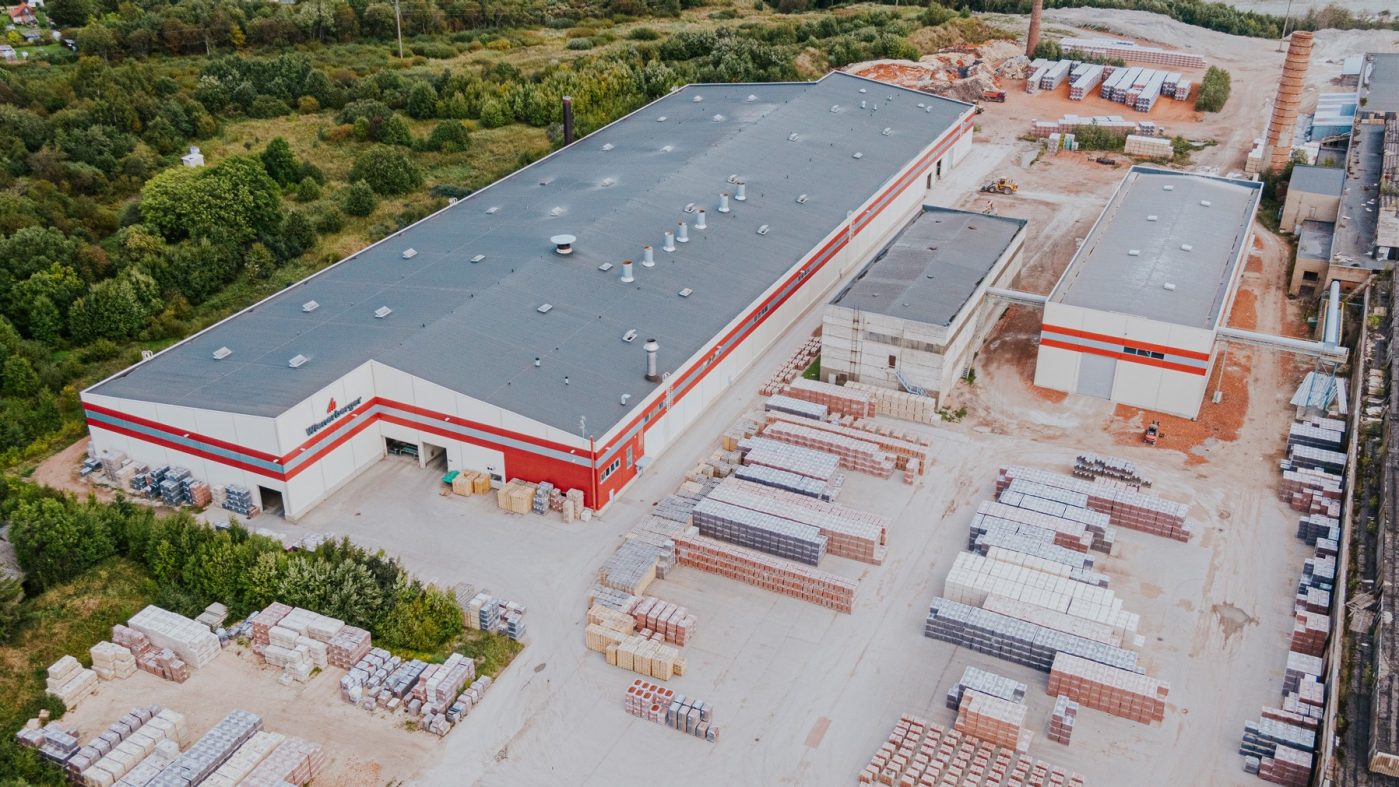 Adjacent building-materials evidenceWienerberger: operational standards reinforced by capabilityThe programme developed 50 instructors and 20 leaders and supported more than 200 instructions. It demonstrates capability building in building materials; it is not presented as a Lean Construction project-delivery case.Read the related English case study →
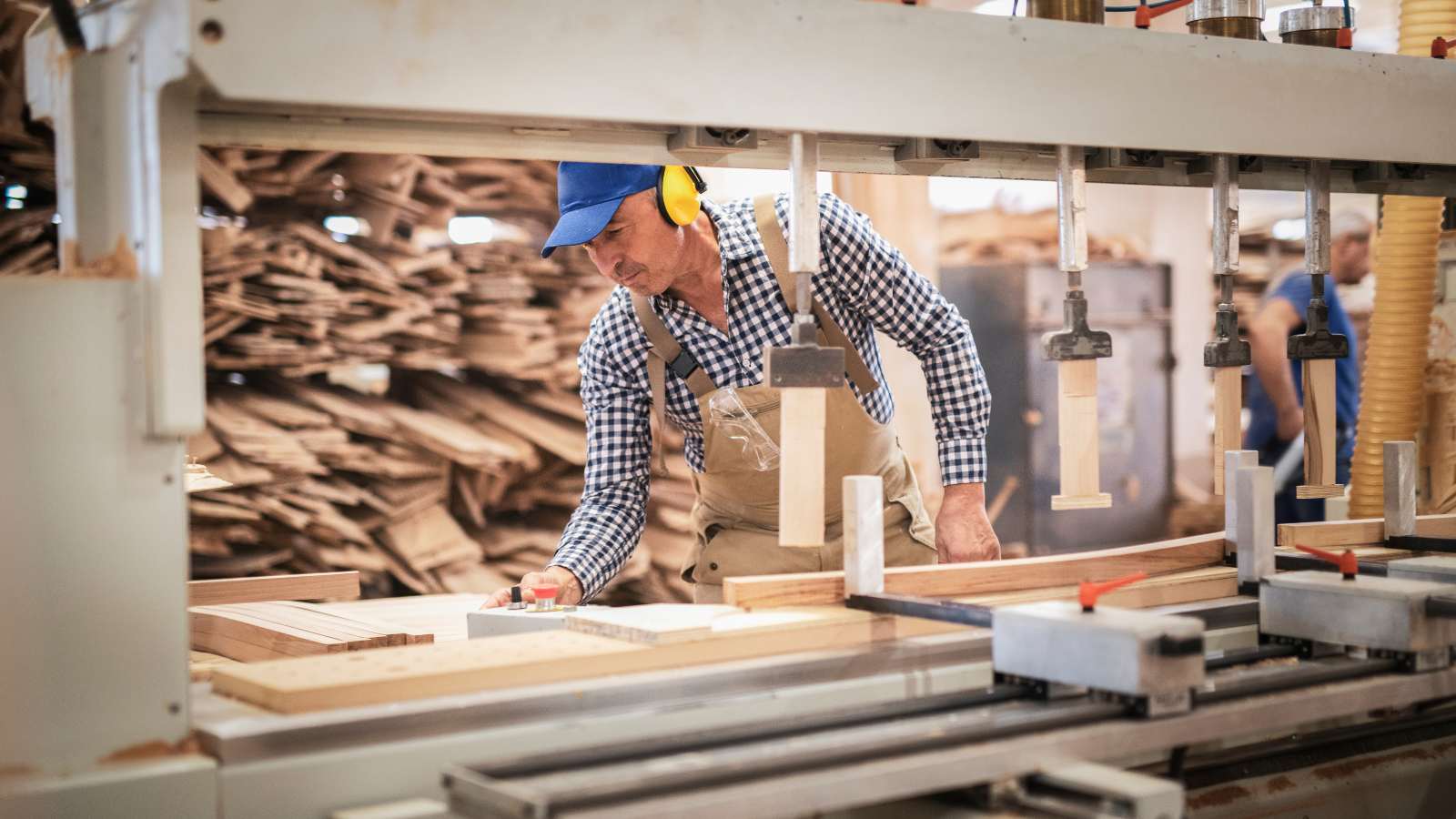 Adjacent quantified flow evidence · manufacturingFlow redesign supported by measurable resultsIn a furniture-industry project, operator travel fell from 97 to 47 metres, cycle time from 17 to 12 minutes, hazards from 10 to 2 and OEE rose from 62 to 67. It demonstrates LeanTrix flow capability outside construction.Read the related English case study →
Signed client references and verified testimonials
See original client documents and named testimonials covering Lean, TWI, leadership development, quality and operational transformation.
People behind the work
Lean Construction expertise connected with research and practice
The expert role is to help the client team build a practical project operating system, develop its own capability and adapt the methods to real contractual, technical and safety conditions.

Dr Eng. Katarzyna Misiurek
Lean Construction expert connecting research, construction-process management, standard work, safety and practical capability building.
View expert profile →Connected capabilities
Continue with a related method
A strong operating system links flow, standard work, leader routines and problem solving instead of treating each method as a separate initiative.
FAQ
Frequently asked questions about Lean Construction
The value comes from the management system and the behaviour around planning—not from copying isolated boards, meetings or templates.
What is Lean Construction?
Lean Construction is an approach to designing and managing construction work around customer value, reliable flow, collaborative planning and continuous learning. It seeks to improve the performance of the whole project rather than maximise the local utilisation of every resource.
Is Lean Construction only a set of planning tools?
No. Pull planning, make-ready, PPC, takt and visual boards can support the system, but results depend on decision rights, leader routines, honest commitments, constraint removal and learning from variance.
What is the Last Planner System?
The Last Planner System is a production-planning and control approach that connects milestones, collaborative phase planning, work readiness, weekly commitments and learning from reasons for non-completion. It should be adapted to the project rather than reduced to one meeting or board.
Does Lean Construction replace the master schedule?
No. It complements contractual and master scheduling by improving how teams prepare, commit to and control near-term work. The levels should be connected, with clear ownership of changes and constraints.
Where should an implementation begin?
Start with a defined project problem and a scope where planning reliability and hand-offs can be observed. Establish a baseline, pilot the management routines and scale after the team has learned what works in its context.
How should Lean Construction results be measured?
Use a balanced set of indicators: plan reliability, ready-work health, flow, waiting, rework, safety and project outcomes. PPC alone is not a complete measure and should always be read with reasons for non-completion.
Start with the business problem
Build a more reliable project operating system
Tell us where planning, hand-offs, readiness or repeated disruption limits your construction project. We will help you define the pilot, management routines, measures and path to scale.
Free consultation
We first understand the process, expected result and implementation conditions. Then we propose the right expert and a practical next step.
Discuss your challenge