


Our services / Company training
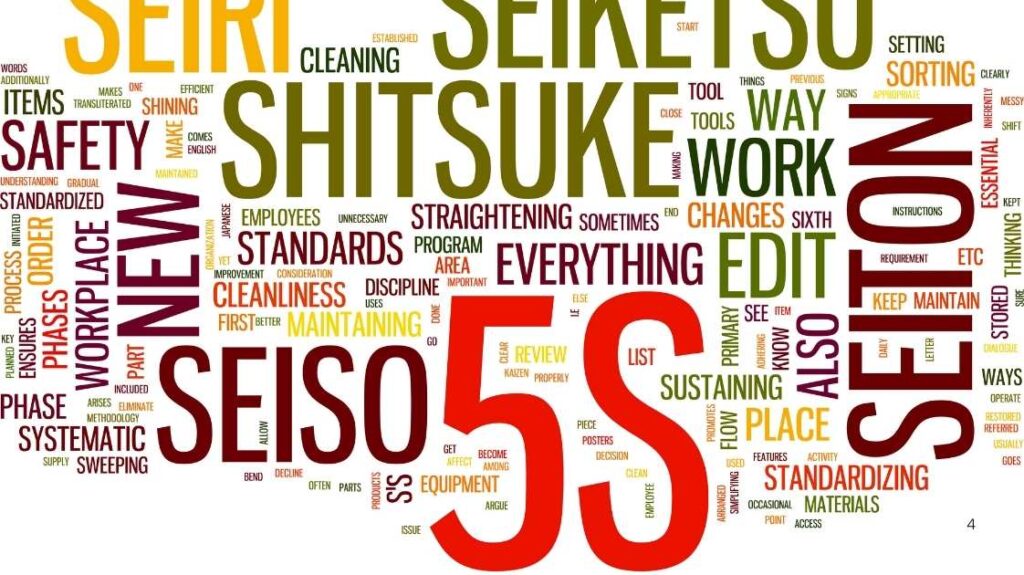
5S training for workplace organisation and visual standards
5S training helps teams organise work so that needed items are easy to find, abnormalities are visible and responsibilities are clear. LeanTrix connects the five steps with workplace practice and a plan for maintaining the result.
The purpose is a reliable working environment. A useful 5S pilot should reduce searching, unnecessary movement and avoidable mistakes while making the expected condition of the workplace clear to its users.
What participants will be able to do
- Identify what is needed at a workplace and decide what to remove.
- Design locations and visual controls around how work is performed.
- Use cleaning and inspection to reveal abnormal conditions.
- Create simple standards and a routine for responding to deviations.
Programme: practical modules
We agree the final scope around the team's experience, the selected process and the problem to solve.
01 · Sort: establish what is necessary
Review items against actual work and frequency of use. Apply a clear decision process for unnecessary or uncertain items, including temporary identification and responsibility for the final decision.
02 · Set in order: make the right place obvious
Arrange tools, materials and information to support the task. Consider frequency of use, reach, movement and replenishment, then define visible locations and limits.
03 · Shine: clean and inspect
Use cleaning to notice leaks, damage, contamination and other abnormalities. Discuss the sources of recurring dirt and the actions needed to prevent it from returning.
04 · Standardise: describe the expected condition
Create visual references, responsibilities and practical checks. The standard should help a person recognise what is correct and what action to take when it is not.
05 · Sustain: build a working routine
Agree how leaders and teams review the area, raise problems and follow up on actions. Use audits as feedback on the system rather than as an end in themselves.
06 · Plan the pilot and measure its effect
Choose an area with a clear problem and owner. Set the starting measures, first actions and a review date, then determine what needs to be adjusted before extending the approach.
Who is it for?
Operators, team leaders, supervisors, maintenance, logistics, quality and continuous improvement teams. Office and service teams can apply the approach to information, shared resources and recurring tasks.
How to prepare
Select a pilot workplace and involve its regular users. Bring examples of searching, missing items, excess stock, quality problems or repeated abnormalities that the new organisation should address.
How the training works
The programme combines the five-step method with practical analysis of the selected area. Participants develop workplace proposals, visual standards and an action plan suited to the way their team actually works.
How to measure progress
Possible measures include time spent searching, unnecessary movement, missing items, defects associated with workplace conditions and recurring abnormalities. Check whether standards are used and whether reported problems are resolved.
Frequently asked questions
Is 5S mainly about cleaning?
Cleaning is one step. The broader purpose is to organise work, make the expected condition visible and create routines that keep the workplace reliable.
Does every area need the same visual markings?
No. Visual controls should fit the task and make decisions easier. Agree a consistent logic while avoiding markings or checks that add no practical value.
How long does the training take and what does it cost?
The programme and quotation depend on the selected area, participants and practical scope. We define these during the initial discussion.
How do we prevent the area from returning to its previous state?
Involve its users, assign clear responsibilities and review abnormalities regularly. Update the standard when the work changes and follow up on unresolved causes.
Related expertise and next steps
For scheduled editions, check open workshops and confirm the delivery language shown for the selected event. Company programmes are scoped individually.
Build a programme around your team's challenge
Tell us about the process, the people involved and the result you want to improve. We will agree a practical scope and the next step.